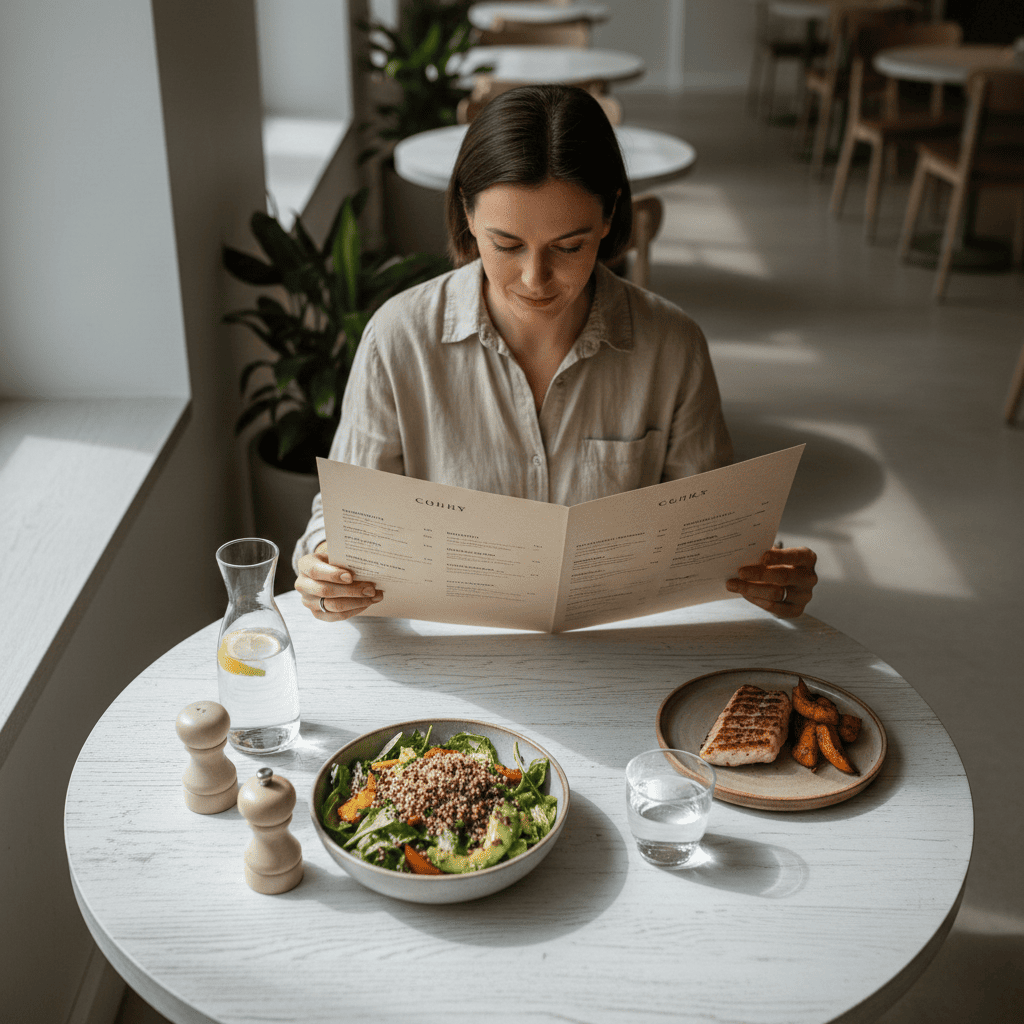
Eating out with IBS can feel like a gamble. You scan the menu, spot something that sounds safe, order it anyway-and spend the rest of the meal wondering if symptoms are coming. For many people following a low FODMAP approach, restaurants feel unpredictable, stressful, and mentally exhausting.
The good news: eating out doesn’t have to mean guessing. With a few smart strategies, the right questions, and an understanding of how restaurant kitchens actually work, you can order low FODMAP meals more confidently-without interrogating your server or sucking the joy out of the experience.

Why eating out is harder with IBS (and why that’s not your fault)
Restaurants are built around flavor, speed, and consistency-not digestive sensitivity. That means garlic and onion are used automatically, sauces are often pre-made, and ingredients can be combined long before your plate hits the table. Even meals that look simple may include high FODMAP ingredients behind the scenes.
The goal isn’t to eliminate all risk-it’s to reduce uncertainty enough that eating out stops feeling like a threat. For a helpful evidence-based overview of the low FODMAP diet and why it’s commonly used for IBS, see Cleveland Clinic’s guide: Low FODMAP Diet: What it is and how it works.
The core mindset shift: manage risk, not perfection
One of the biggest stressors around restaurant dining with IBS is the pressure to get it “exactly right.” Instead, aim for:
- Lower overall FODMAP load (fewer stacked triggers in one meal)
- More predictable meals you’ve tolerated before
- Simpler prep methods (grilled, baked, steamed)
This mindset makes decisions easier-and it can reduce anxiety, which is relevant for IBS symptoms as well. (For a general IBS overview, Johns Hopkins has a clear summary: Irritable Bowel Syndrome (IBS).)
How to scan a menu fast (before you overthink)
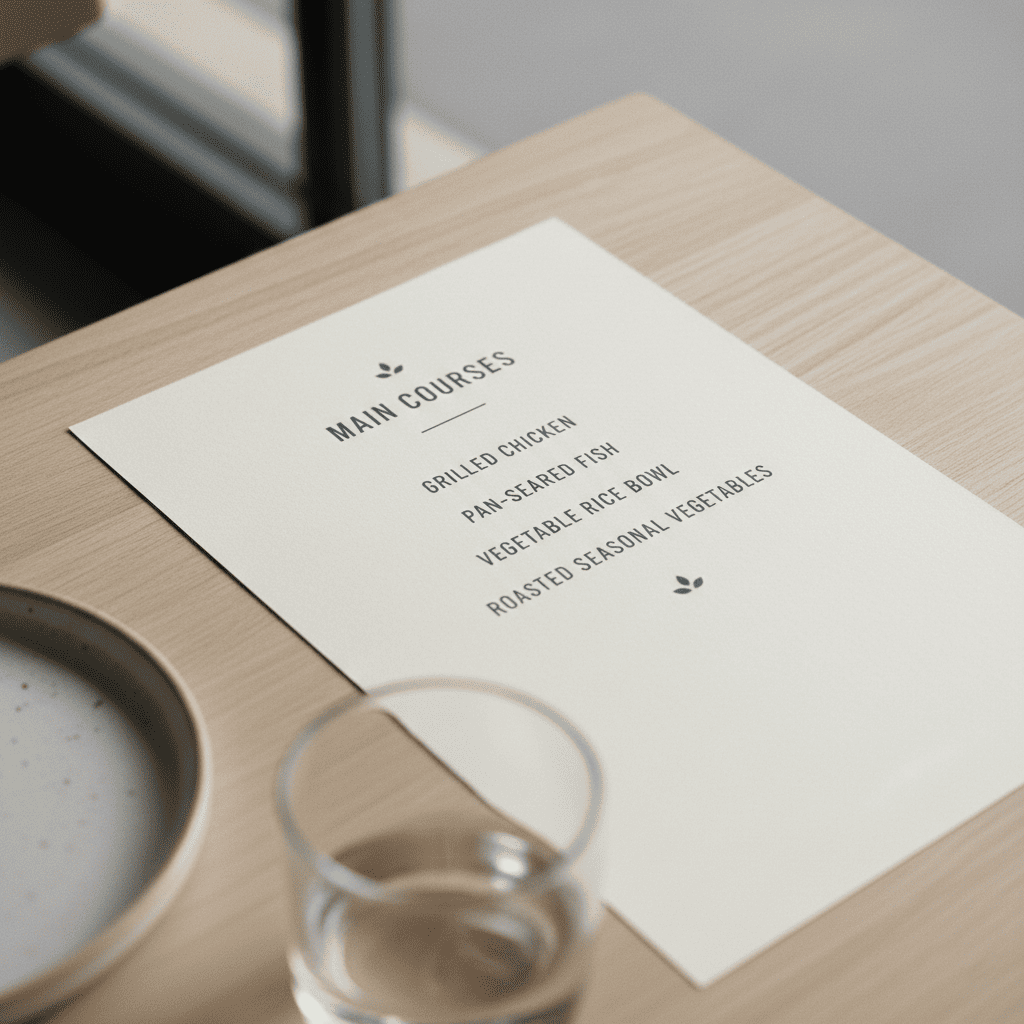
When you open a menu, skip the marketing language and look for structure first. Your best bets usually have:
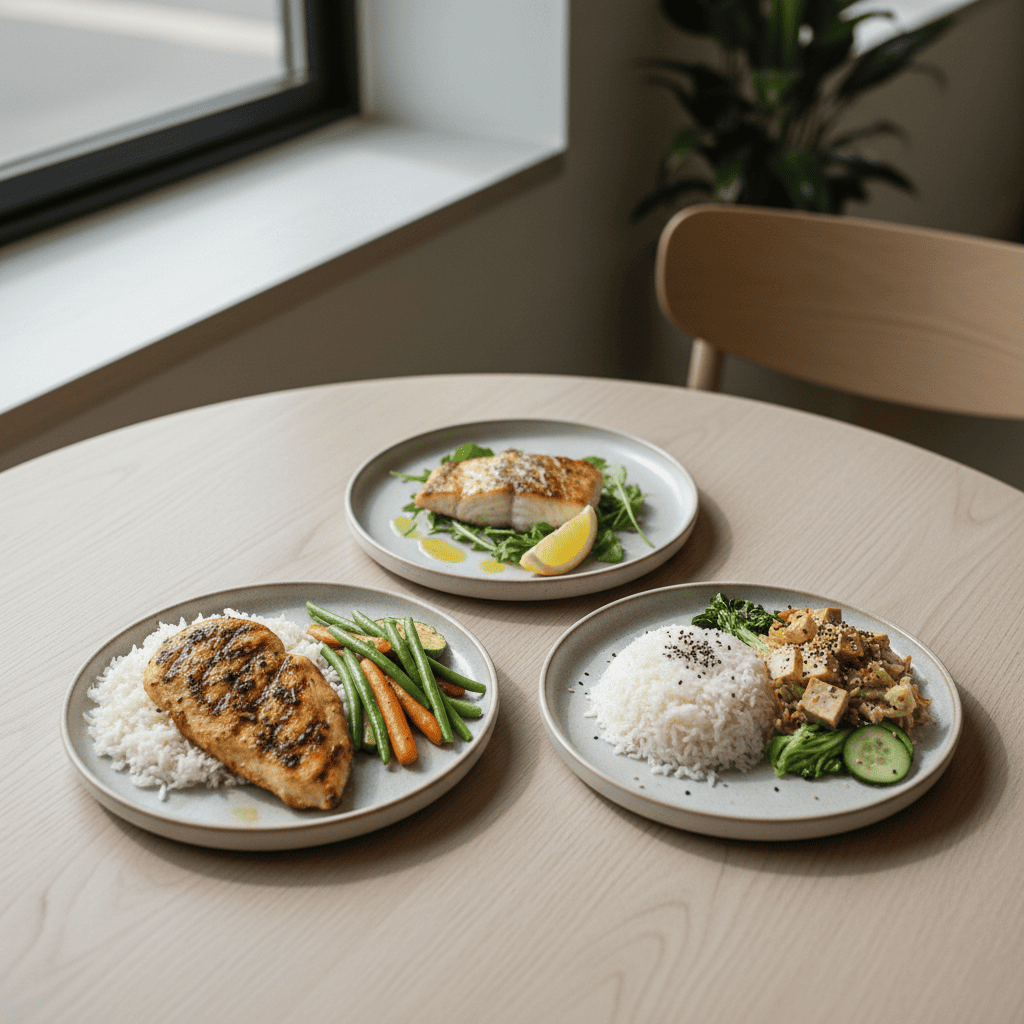
- Grilled, baked, roasted, or steamed proteins
- Simple starches (rice, potatoes, polenta)
- Vegetables listed individually (not mixed into a sauce)
Be cautious with:
- Sauces, glazes, dressings, and “house” marinades
- Seasoning blends and rubs
- Soups, stews, casseroles, and “chef’s special” bowls
Low-stress questions to ask (without making it awkward)
You don’t need to say “FODMAP” or explain IBS in detail. Keep requests simple and specific:
- “Is this cooked with garlic or onion?”
- “Could I get that without the sauce?”
- “Is the seasoning just salt and pepper?”
- “Would it be possible to keep this pretty simple?”
If you want an extra layer of support, Monash University (the researchers behind the low FODMAP diet) has practical restaurant tips you can borrow: Eating out tips & tricks.
Low FODMAP-friendly picks by cuisine
American / Grill
Best bets:
- Grilled chicken, fish, steak
- Baked potato or plain fries
- Side salad (no onion; dressing on the side)
Watch out for: BBQ sauces, seasoning blends, onion-heavy sides.
Italian
Best bets:
- Grilled fish or chicken
- Pasta with olive oil and parmesan
- Simple salad (no onion; dressing on the side)
Ask for sauce on the side, and if you’re unsure about an onion/garlic base, keep it simple. Monash has cuisine-specific guidance too (including Italian): Eating out on a low FODMAP diet (Italian).
Mexican
Best bets:
- Corn tortillas (tacos or tostadas)
- Grilled meats (carne asada, chicken)
- Plain rice
Be cautious with: beans, sauces/salsas, marinades (often include garlic/onion).
Asian (Chinese, Thai, Japanese)
Best bets:
- Plain rice or rice noodles
- Simple stir-fries with minimal sauce
- Sushi with basic fillings (fish + rice)
Ask about garlic, onion, shallots, and pre-made sauces. Many sauces start with garlic/onion even when the dish looks “clean.”
Breakfast / Brunch
Best bets:
- Eggs any style
- Bacon (often simpler than sausage)
- Potatoes or gluten-free toast (if available)
Skip: onion-heavy omelets and mystery sauces unless you can confirm what’s in them.
Sauces are the biggest wild card
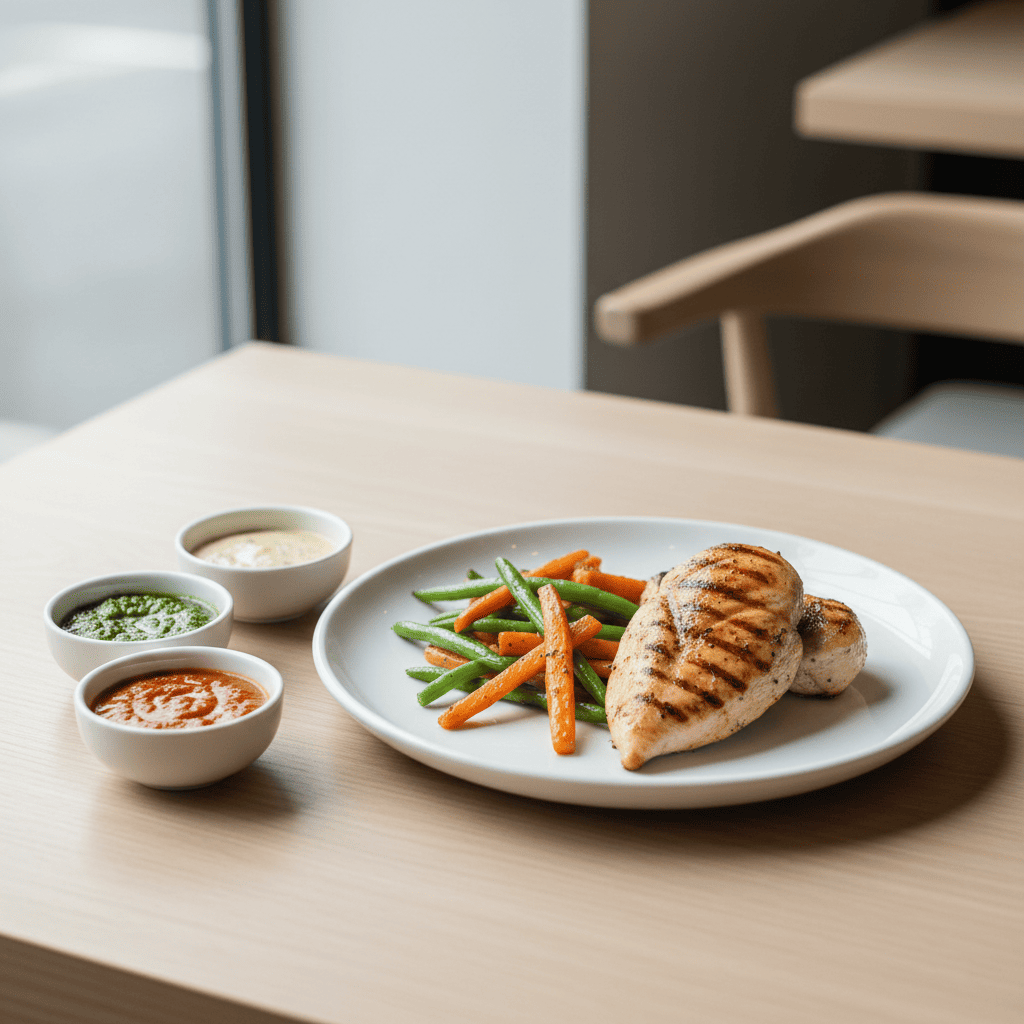
Sauces are the #1 place hidden FODMAPs show up. If you want to dramatically reduce risk:
- Ask for sauce on the side
- Choose oil-based options when possible
- Use salt, pepper, lemon, and herbs for flavor
You can always add flavor-but you can’t remove garlic/onion once it’s mixed in.
When to play it extra safe
Some situations justify a “boring but safe” meal:
- Travel days
- Long drives or flights right after
- Important meetings or events
- Days when your symptoms are already active
In those moments, simplicity is a strategy-not a failure.
What if you still react?
Even with smart ordering, reactions can happen. That doesn’t mean you failed or that eating out is impossible. Use it as information:
- Was it the sauce or seasoning?
- Was it a larger portion than usual?
- Was stress, timing, or lack of sleep part of it?
Over time, patterns emerge-and ordering gets easier.
Final thoughts: eating out with IBS gets easier with practice
You don’t need a perfect strategy or a memorized list of “safe” restaurants. You need a flexible framework that helps you make calmer choices in real-world settings. With repetition, ordering low FODMAP becomes faster, more intuitive, and far less stressful-and enjoying meals with other people without constant second-guessing becomes possible again.
References & further reading