Following a low FODMAP diet can make portion sizes feel frustrating at times. It’s discouraging when a food seems “safe,” but the recommended serving is smaller than you’d like, leaving you still hungry after a meal. The good news is that plenty of low FODMAP options can be enjoyed in more generous portions, making it easier to build filling, satisfying meals while keeping symptoms in check.
Build Bigger Meals with Low FODMAP Vegetables
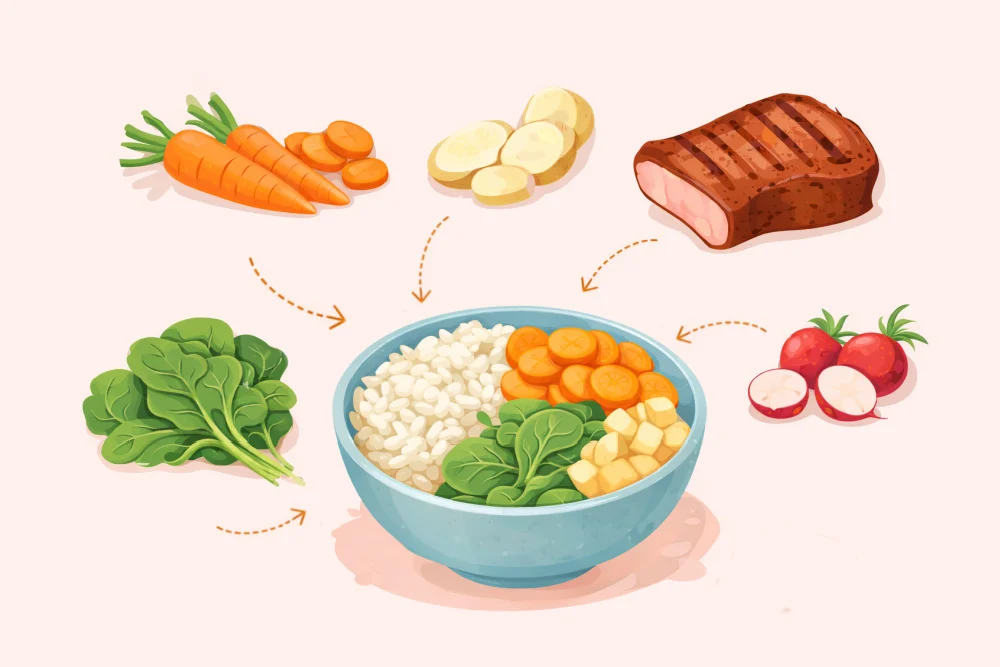
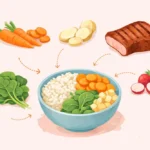
Vegetables are one of the easiest ways to add volume, color, and fiber to meals. While some vegetables require careful portion control, there are several that tend to remain low FODMAP in larger servings. These are great choices when you want a plate that feels abundant and satisfying.
Vegetables that are often well-tolerated in larger portions include:
- Parsnips
- Carrots
- White potatoes
- Radishes
- Choy sum
- Collard greens
- English spinach
Easy ways to use them:
- Combine generous servings of these vegetables with standard low FODMAP portions of items like bell peppers, tomatoes, cucumbers, eggplant, or green beans for a varied plate. For exact serving sizes, check a trusted source such as the Monash University FODMAP Diet App.
- Roast large trays of carrots and parsnips and add them to grain bowls, salads, or wraps for extra volume.
- Use potatoes as a filling base: mash them, bake them, or add them to soups and stews.
- Quickly stir-fry choy sum or English spinach and pair with rice and protein for a fast, satisfying meal.
- Grate carrots into meatballs, patties, or pasta sauces to boost both texture and veggie intake.
Add Low FODMAP Grains and Starches for Lasting Fullness
Carbohydrates can make meals feel more complete, especially when you’re trying to stay full for longer. Many low FODMAP grains and starches can be enjoyed in larger cooked portions, making them ideal for bulking up bowls, salads, and dinner plates.
Reliable low FODMAP options include:
- Rice (white, brown, basmati, jasmine, sushi, arborio, bomba)
- Quinoa (white or black)
- Millet (check your product type and serving size)
- Corn-based couscous
- Mung bean noodles
- Rice noodles and rice vermicelli
- Rice-and-corn pasta
- Potato-based gnocchi made with suitable flours
- Hard corn taco shells
- Tapioca pearls
Practical ways to use them:
- Increase rice or quinoa in bowls and stir-fries to make meals more filling.
- Make pasta salads using rice- and corn-based pasta for a simple, satisfying lunch.
- Serve gnocchi with a hearty, vegetable-rich sauce to add both comfort and volume.
- Build large noodle soups or stir-fries that include plenty of low FODMAP vegetables and protein.
- Use corn taco shells to create filling tacos with generous low FODMAP toppings.
Increase Protein for Better Satiety
Most unprocessed protein foods are naturally low in FODMAPs. Increasing protein can help you feel satisfied for longer, especially when meals feel “too light.” The key is keeping seasonings and sauces low FODMAP (for example, using garlic-infused oil instead of garlic, and avoiding onion-heavy marinades).
Low FODMAP-friendly protein choices include:
- Chicken
- Turkey
- Beef
- Lamb
- Pork
- Fish and seafood
- Eggs
Easy ways to add more:
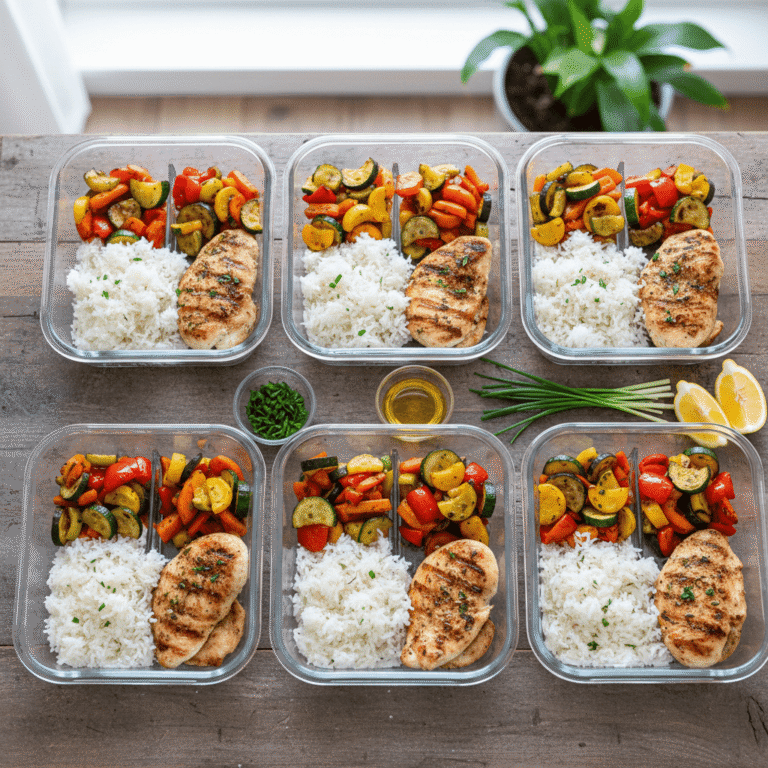
- Add an extra portion of chicken or turkey to stir-fries, rice bowls, or salads.
- Use a larger serve of fish in poke-style bowls, salads, or plated meals.
- Add extra eggs to omelets, frittatas, or scrambles for a quick, filling upgrade.
If you follow a vegan or plant-based diet, portions can be trickier because many plant proteins contain FODMAPs depending on serving size and preparation. Always double-check portions using a reliable reference.
Build a Balanced, Filling Plate
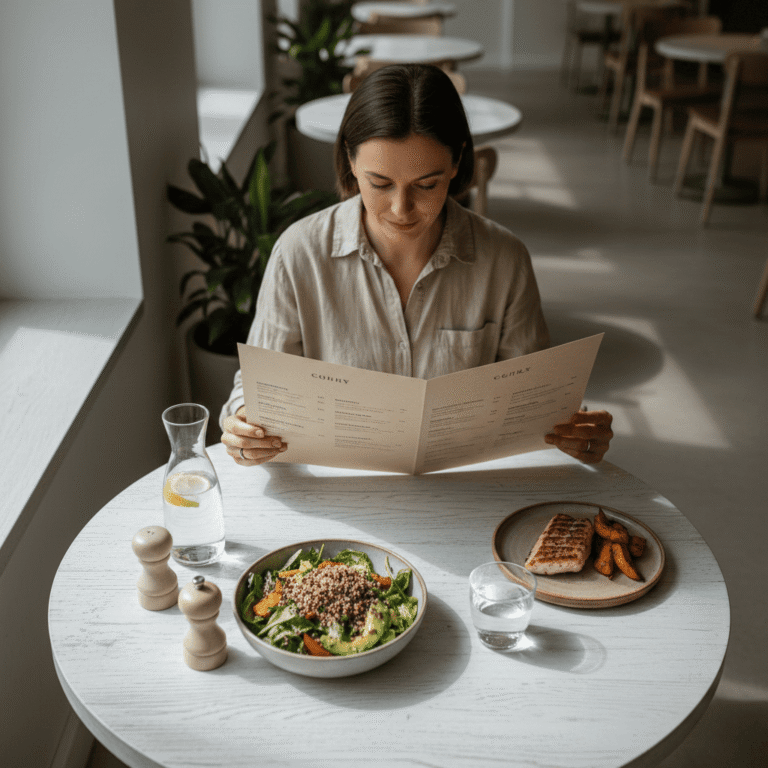
If you’re struggling with hunger on low FODMAP, aim for meals that include protein, carbs, vegetables, and a source of healthy fat. A simple structure many people find helpful is: half the plate low FODMAP vegetables, one-quarter low FODMAP carbs, and a palm-sized portion of protein, plus a fat source like olive oil or a suitable serving of avocado (based on your personal tolerance and recommended portions). Finish with a low FODMAP dressing or sauce to keep meals enjoyable and varied.
How to Adapt Recipes Using “Bigger Portion” Foods
If a recipe leaves you hungry, the easiest low FODMAP upgrade is to add more from the “usually safe in larger servings” categories above: extra carrots or spinach, more rice or quinoa, or a bigger portion of plain protein. This keeps the meal satisfying without relying on higher-FODMAP add-ons.
Wrap-Up: Enjoy Filling Meals on a Low FODMAP Diet
A low FODMAP diet doesn’t have to mean tiny portions or leaving the table unsatisfied. By leaning on vegetables, grains, starches, and proteins that are often tolerated in larger servings, you can build meals that feel generous, nourishing, and still gut-friendly. Adjust gradually, track your own tolerance, and use trusted serving-size resources when needed.