Thawing Your Turkey Safely and Effectively
Properly defrosting your turkey is the essential foundation for a successful preparation, particularly when you’re aiming to maintain a low FODMAP profile to manage digestive sensitivities. Given the substantial size and density of a turkey, it requires careful handling to thaw without compromising safety or quality. Our community has shared several reliable techniques that ensure your bird thaws evenly and remains fresh for cooking.
The most secure approach is to thaw it in the refrigerator. Leave the turkey in its original packaging to prevent any contamination, position it on a sturdy tray placed on the lowest shelf of your fridge, and allocate approximately 24 hours of thawing time for every 4 to 5 pounds, which equates to about 1.8 to 2.3 kilograms. For instance, a 16-pound or 7.3-kilogram turkey typically needs around four full days to defrost completely. It’s crucial to use a tray or deep container beneath it to capture any potential drips and avoid mess in your refrigerator.
For those needing a quicker alternative, consider using a cooler or your kitchen sink. Fully submerge the turkey in cold water, ensuring it’s still in its protective wrapping, and refresh the water every 30 minutes to maintain a consistently low temperature and prevent bacterial growth. Smaller turkeys might be ready overnight, while larger ones could require up to two days. Importantly, keep the sink or cooler dedicated solely to the turkey and water-no other items should share the space. One experienced community member, who previously worked as a butcher, advises: A sink or cooler setup works flawlessly; simply add sufficient water to cover the bird entirely, even if it tends to float slightly, as that’s perfectly normal.
An additional practical suggestion: Since frozen turkeys naturally function like their own ice packs, opting for the cooler method means you won’t need extra ice, which also helps preserve valuable refrigerator space for preparing sides or other components of your meal in advance.
Preparing and Seasoning for Maximum Flavor
With your turkey fully thawed, the next phase involves removing any giblets or neck from the body cavity-these can be reserved for making a flavorful stock or gravy later. Now, you’re set to enhance it with seasonings that align with low FODMAP guidelines while delivering exceptional taste.
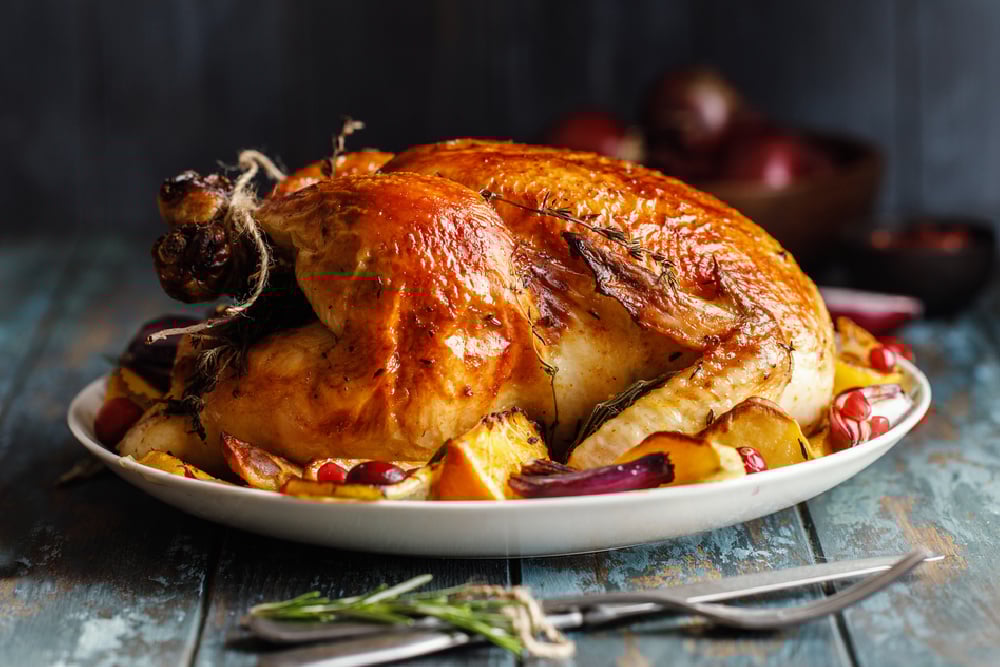
Begin by thoroughly patting the skin dry using paper towels; this simple step promotes crispy, golden skin during roasting. To infuse flavor without triggering gut issues, avoid traditional high-FODMAP ingredients like onion and garlic. Instead, opt for creative substitutes such as garlic-infused oil, the green tops of spring onions or green onions, fresh chives, zesty citrus elements, and an array of fresh herbs.
For added richness, generously apply butter or garlic-infused oil both underneath the skin and across the exterior surface. This technique seals in moisture and amplifies flavor throughout the meat. Enthusiastic feedback from one community member highlights slipping an entire stick of butter under the skin for incredibly succulent results.
Elevate the taste further by filling the cavity with aromatic ingredients like fresh sprigs of rosemary, thyme, and sage, along with slices of citrus fruits, carrots, or celery sticks-note that celery is suitable in low FODMAP serving sizes. These additions impart gentle, infused flavors that permeate the meat, keeping it tender and juicy without overwhelming the palate.
Secure the legs together using kitchen twine, tying them neatly to streamline handling during the roasting process and promote uniform cooking. For those who enjoy an extra step, brining presents a fantastic option: Soak the turkey in a saltwater brine infused with low FODMAP spices for 24 to 48 hours prior to roasting. This method tenderizes the flesh deeply and embeds complex flavors that shine through after cooking.
Proven Cooking Techniques for Perfect Results
Approach roasting your turkey much like preparing an oversized chicken, but with adjusted timing to account for its scale. Drawing from both community experiences and expert insights, here are detailed recommendations to achieve a flawlessly cooked bird every time.
Start with oven temperature: Adhere to the specific instructions provided on your turkey’s packaging, though a reliable baseline is 175 to 180 degrees Celsius, or 350 degrees Fahrenheit, allowing 13 to 15 minutes of cooking per 450 grams or 1 pound of weight.
For optimal moisture retention, position the turkey breast-side down in a roasting bag or deep pan during the initial half of the cooking duration. This ingenious orientation channels the natural juices downward into the breast area, preventing dryness.
Basting is key to succulence-every 45 minutes or so, brush the surface with melted butter or olive oil. If the skin browns excessively early on, loosely cover the bird with aluminum foil to shield it while allowing even heat distribution.
Always elevate the turkey on a roasting rack within the pan to facilitate air circulation and uniform cooking. Should you use a disposable aluminum pan, stabilize it by placing it atop a sturdy baking sheet.
Invest in a reliable meat thermometer for precision: The breast meat should register 74 degrees Celsius or 165 degrees Fahrenheit, and verify the temperature in both the breast and thigh areas to confirm thorough doneness without overcooking.
Post-roasting, allow the turkey to rest for a minimum of 20 to 30 minutes prior to slicing-this critical resting period lets the juices redistribute evenly throughout the meat. Larger birds may benefit from up to 45 minutes of resting, tented lightly with foil to retain warmth.
In scenarios requiring faster cooking, the spatchcocking technique is a game-changer: By flattening the turkey via backbone removal, you drastically cut down roasting time and promote consistent browning and doneness across the entire bird.
Additional Strategies for a Flawless Feast
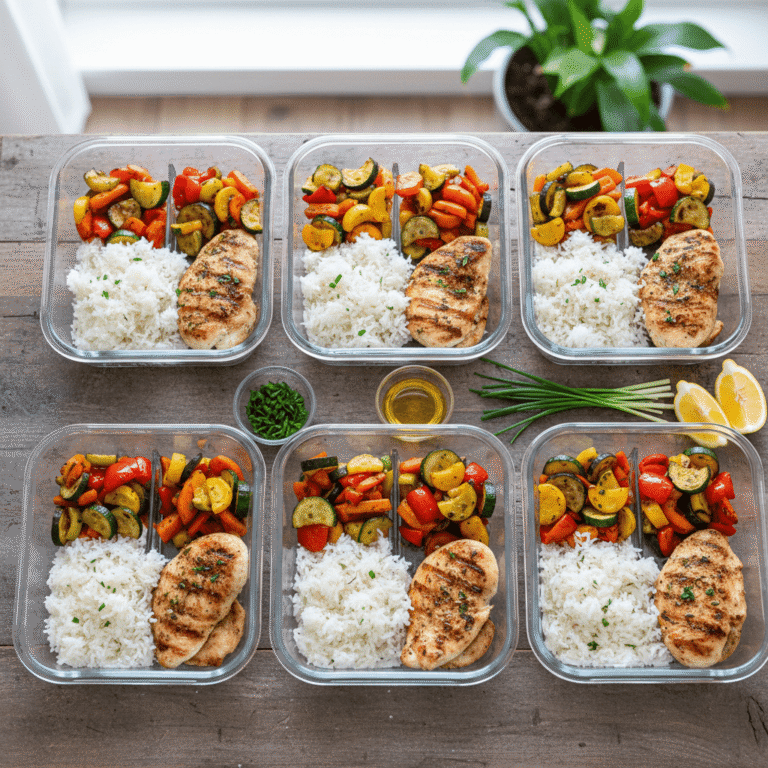
To maximize enjoyment, plan ahead for leftovers by portioning out slices of meat immediately into storage containers, ideal for future meals like nourishing soups, fresh salads, or hearty sandwiches.
Prioritize food safety by refrigerating any uneaten portions within two hours of serving. Leftovers can safely reside in the fridge for 3 to 4 days or be frozen for extended storage, preserving quality for later use.
Can You Enjoy Turkey Cooked with Onion or Garlic?
The optimal strategy is to prepare your turkey entirely free of onion and garlic to minimize FODMAP content and safeguard digestive comfort. That said, if circumstances prevent this, all is not lost. Insights from FODMAP-trained dietitian Joanna Baker provide reassuring guidance: According to Monash University research, a single tablespoon of white or brown onion qualifies as low FODMAP, meaning many individuals can safely consume the turkey meat even if onion was used in cooking. To maximize tolerance, simply avoid consuming the onion pieces themselves, preserving FODMAP budget for other meal elements.
Regarding skin seasoned with garlic, it’s best to discard the skin and focus on the lean meat alone, significantly reducing overall FODMAP exposure while still savoring the dish.
Delicious Low FODMAP Side Dish Suggestions
A complete turkey meal thrives with thoughtfully chosen accompaniments. Our community raves about these gluten-free, low FODMAP side options that complement the main event perfectly.

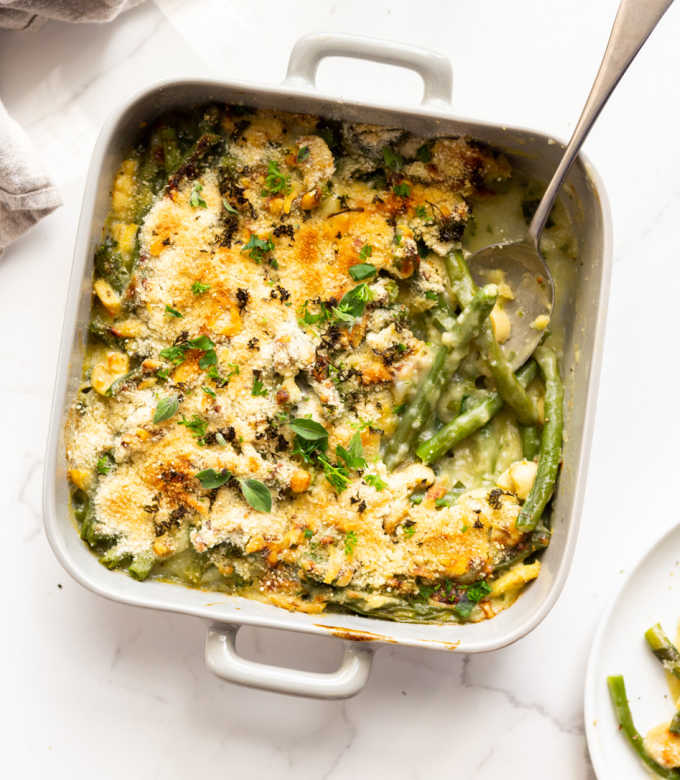
Classic choices abound, including creamy mashed potatoes, tender green peas in ¼ cup portions-which are confirmed low FODMAP-roasted broccoli florets, sweet potato casserole variations, an assortment of roast vegetables, green beans topped with crispy bacon, or a comforting green bean casserole. These selections offer diverse textures and flavors to round out your holiday spread.
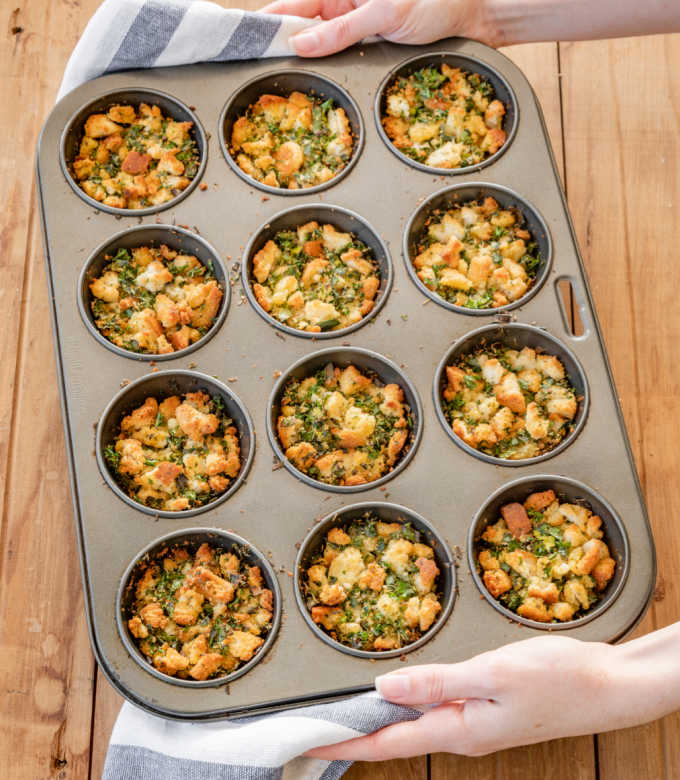
For homemade stuffing, a golden, crunchy version stands out as an ideal partner to your roast turkey. Prepare it in muffin tins for single servings or a large casserole dish based on your gathering size. A vital member tip: Always bake stuffing separately from the turkey interior to mitigate risks. Inserting stuffing inside the bird can allow harmful bacteria like Salmonella to persist if it fails to hit the safe internal temperature of 74 degrees Celsius or 165 degrees Fahrenheit, potentially leading to foodborne illness.
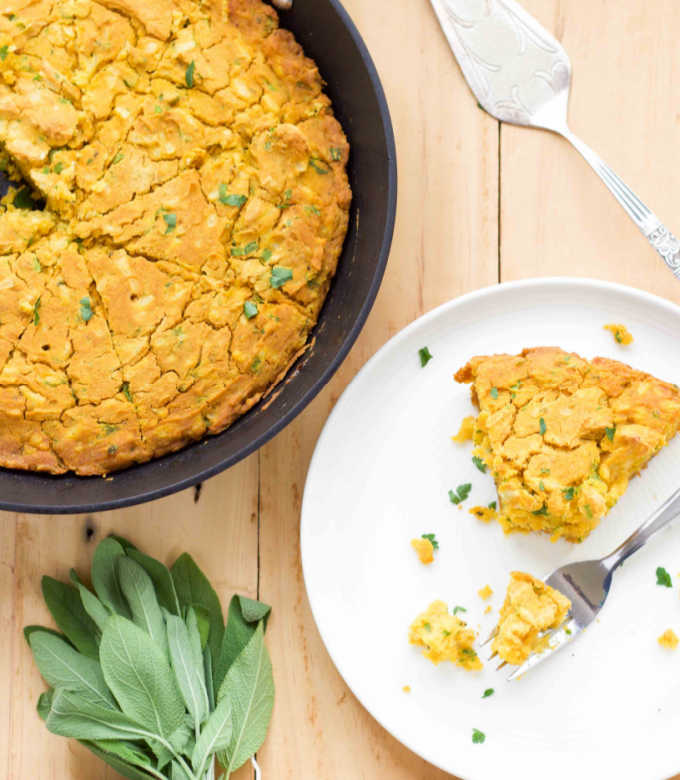
Savor the warmth of pumpkin and sage cornbread as a savory table essential. Craft it with pureed pumpkin or a low FODMAP pumpkin soup base for authentic seasonal appeal.

No festive meal skips sauces: Homemade cranberry sauce is indispensable, bursting with tart brightness. Complement it with low FODMAP turkey gravy crafted from the neck and giblets for silky smoothness.
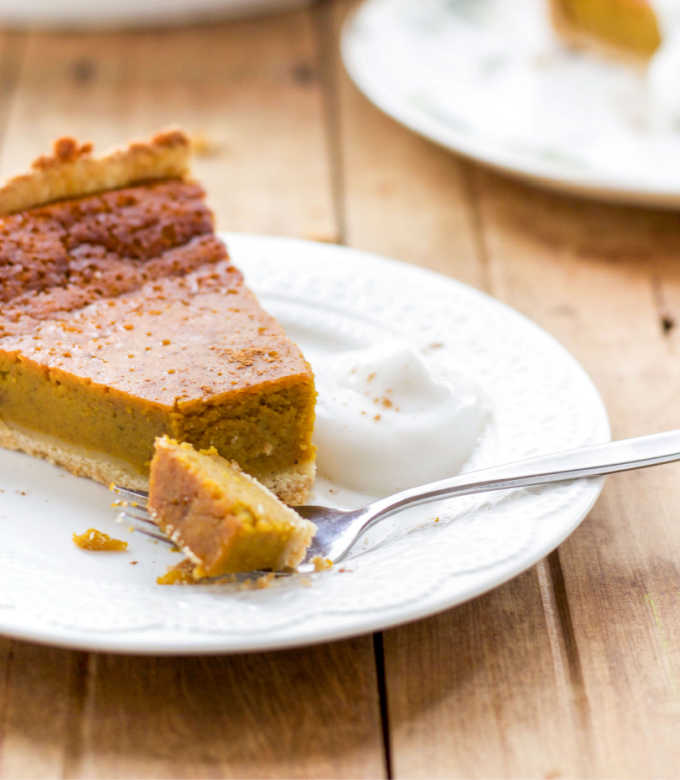
Cap the feast with decadent desserts suited to the low FODMAP lifestyle, such as rustic pumpkin pie, indulgent sticky date self-saucing pudding, or rich raspberry and dark chocolate brownie-each a crowd-pleasing favorite.
Creative Ways to Use Turkey Leftovers
The versatility of leftover turkey opens endless possibilities for subsequent meals, from comforting soups and vibrant salads to stacked sandwiches. A popular community hack involves transforming remnants into a robust soup; consider adapting a creamy potato soup recipe by substituting turkey for other proteins to create something new and satisfying.
Wrapping Up Your Low FODMAP Turkey Success
Armed with thoughtful planning, crafting a low FODMAP turkey transforms from daunting to delightful. Select your preferred thawing technique, season thoughtfully using butter, fresh herbs, and citrus for brightness, roast attentively with the outlined methods, and pair with an array of gut-friendly sides.
Leveraging these comprehensive steps alongside time-tested community wisdom guarantees a flavorful centerpiece that’s kind to your digestive system, ensuring everyone at the table savors the occasion worry-free.