One of the first pieces of advice people with IBS get is to “eat more fiber”-but this is not always the most helpful recommendation. While fiber is a crucial component of any healthy diet, the type of fiber you eat matters significantly, especially when you have IBS.
In this article, we’ll explore the key differences between soluble fiber and insoluble fiber, why fiber recommendations often backfire in IBS, and how to choose the right fiber for your specific symptoms.

What is Fiber? And Why Does It Matter for IBS?
Fiber is the part of plant-based foods that your body cannot digest. It helps regulate the digestive system, adds bulk to stool, and can assist in bowel regularity.
But not all fiber works the same way.
There are two primary types of fiber:
- Soluble fiber: dissolves in water and forms a gel-like substance.
- Insoluble fiber: adds bulk to stool and helps food pass through the digestive system.
Both types of fiber have their benefits, but they affect IBS symptoms differently.
Soluble Fiber: The Gentle Helper for IBS
What is Soluble Fiber?
Soluble fiber dissolves in water and forms a gel-like substance in the gut. This process helps soften stool, making it easier to pass. Soluble fiber also has the benefit of absorbing excess water in the intestines, which can be particularly helpful for those with IBS-D (diarrhea-predominant IBS).
Why Soluble Fiber Helps IBS
Soluble fiber can:
- Reduce diarrhea: By absorbing water, it can help prevent watery stools and control urgency in IBS-D.
- Improve constipation: For IBS-C (constipation-predominant IBS), soluble fiber softens stool and promotes regular bowel movements.
- Calm inflammation: It can reduce gut irritation and help stabilize the gut-brain axis, a key factor in IBS.
Common sources of soluble fiber include:
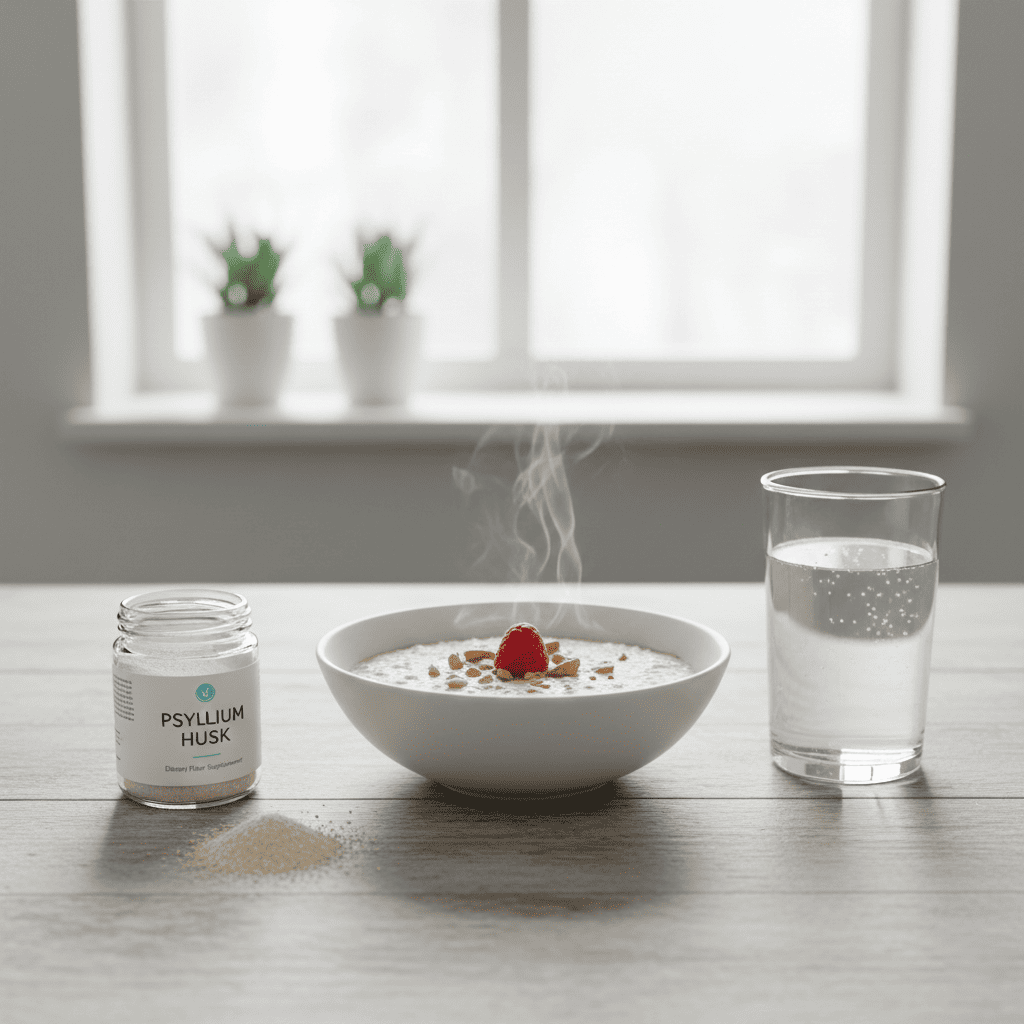
- Psyllium: A popular and effective soluble fiber supplement.
- Oats: Rich in beta-glucan, a type of soluble fiber.
- Chia seeds: A plant-based source of soluble fiber.
- Fruits: Apples, pears, and berries contain soluble fiber, especially in the skin.
Recommended Sources of Soluble Fiber for IBS
Incorporating the right amount of soluble fiber into your diet can help relieve IBS symptoms. Consider adding the following to your routine:
- Psyllium husk: This is one of the most well-researched forms of soluble fiber and is often used to treat both constipation and diarrhea in IBS.
- Oats: Start with a warm bowl of oatmeal or add oats to smoothies.
- Bananas and apples: These fruits contain soluble fiber that can help regulate digestion.
- Carrots and sweet potatoes: Both are rich in soluble fiber and gentle on the gut.
If you’re considering using fiber supplements, it’s best to consult with a healthcare provider, especially to avoid excess gas and bloating.
Insoluble Fiber: The Problem for IBS
What is Insoluble Fiber?
Insoluble fiber does not dissolve in water. Instead, it adds bulk to stool, helping food pass more quickly through the stomach and intestines. While this type of fiber can be beneficial for some, it can be problematic for those with IBS, especially during flare-ups.
Why Insoluble Fiber Can Worsen IBS
Insoluble fiber tends to:
- Increase bloating and gas: It can exacerbate bloating and cramping, particularly for people with IBS.
- Irritate the gut lining: For people with IBS, especially IBS-D, insoluble fiber can increase the speed at which food passes through the gut, worsening diarrhea.
- Trigger discomfort: Larger amounts of insoluble fiber can cause discomfort by speeding up transit time, leading to more frequent bathroom visits.
Common sources of insoluble fiber include:
- Wheat bran: Often used in fiber supplements, wheat bran can be too harsh for people with IBS.
- Corn: High in insoluble fiber, it can aggravate bloating and pain in some individuals.
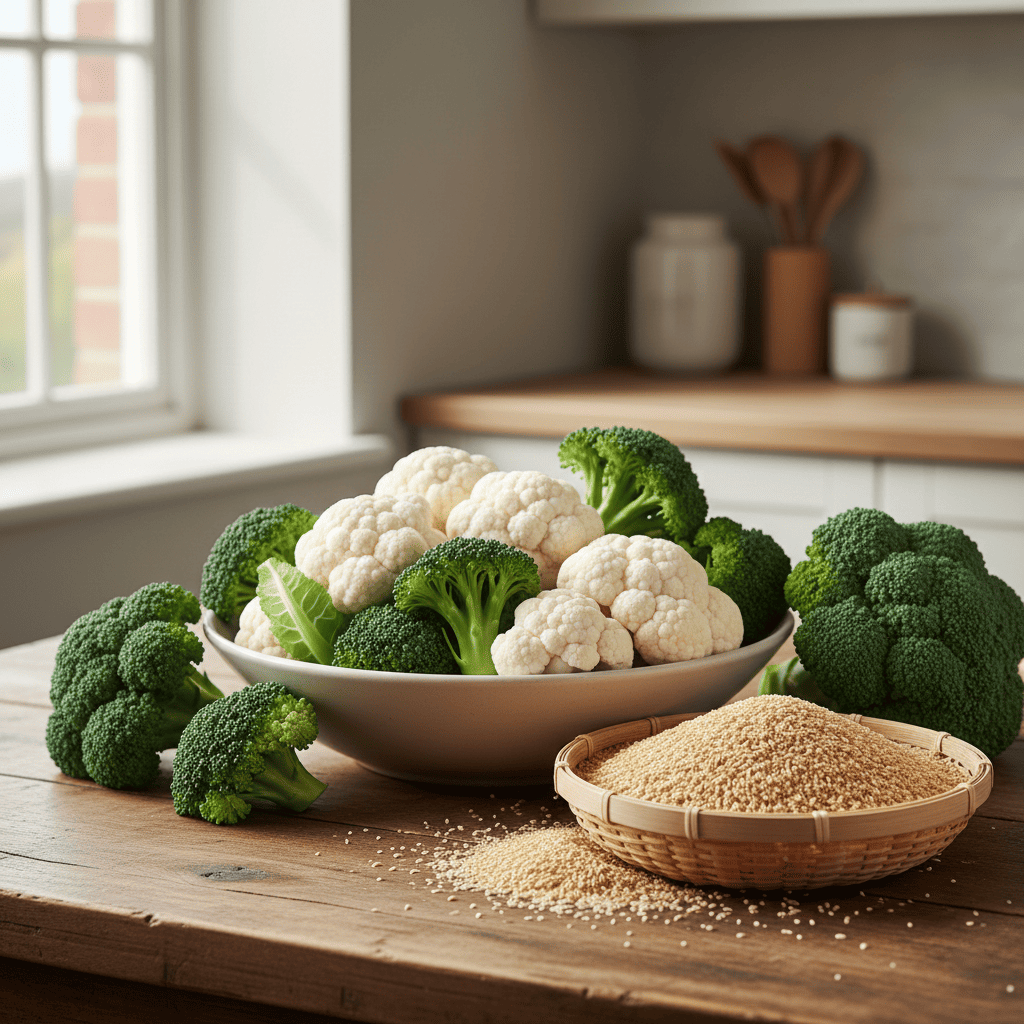
- Raw vegetables: While healthy, vegetables such as cauliflower, broccoli, and leafy greens are often too fibrous for IBS-sensitive guts when consumed raw.
Recommended Sources of Insoluble Fiber for IBS (Be Cautious)
If you choose to include insoluble fiber in your diet, be mindful of portion sizes and cooking methods:
- Cook vegetables thoroughly: Cooking softens the fiber and makes it easier to digest.
- Limit wheat bran: If using wheat bran, keep portions small and opt for other fiber-rich foods like oats.
- Test other sources: Experiment with small amounts of high-fiber vegetables and note how your digestive system reacts.
Why “More Fiber” Can Backfire for IBS
While fiber is essential for gut health, more fiber is not always better-especially for those with IBS. The issue lies in fiber type, amount, and timing.
For people with IBS, fiber needs to be:
- Tailored to your IBS subtype: Soluble fiber is often beneficial for IBS-D, while both types may help IBS-C.
- Introduced gradually: Sudden increases in fiber can worsen bloating and gas.
- Eaten in small, regular amounts: Instead of loading up on fiber all at once, incorporate fiber slowly throughout the day.
Remember, it’s about balance. For some, too much fiber-especially insoluble fiber-can make symptoms worse, while others may need more to regulate bowel movements.
Final Thoughts: Fiber as a Tool, Not a Cure
Fiber is not a one-size-fits-all solution for IBS, but it can be an important tool in managing symptoms. By understanding the differences between soluble and insoluble fiber, you can make better choices for your digestive health. Whether you are trying to relieve constipation or prevent diarrhea, knowing which fibers work best for you-and when to incorporate them-can make all the difference.
For more personalized advice on managing fiber in IBS, speak with a dietitian or healthcare provider. Fiber can play an essential role in your treatment plan, but it needs to be managed correctly for optimal results.
References & further reading