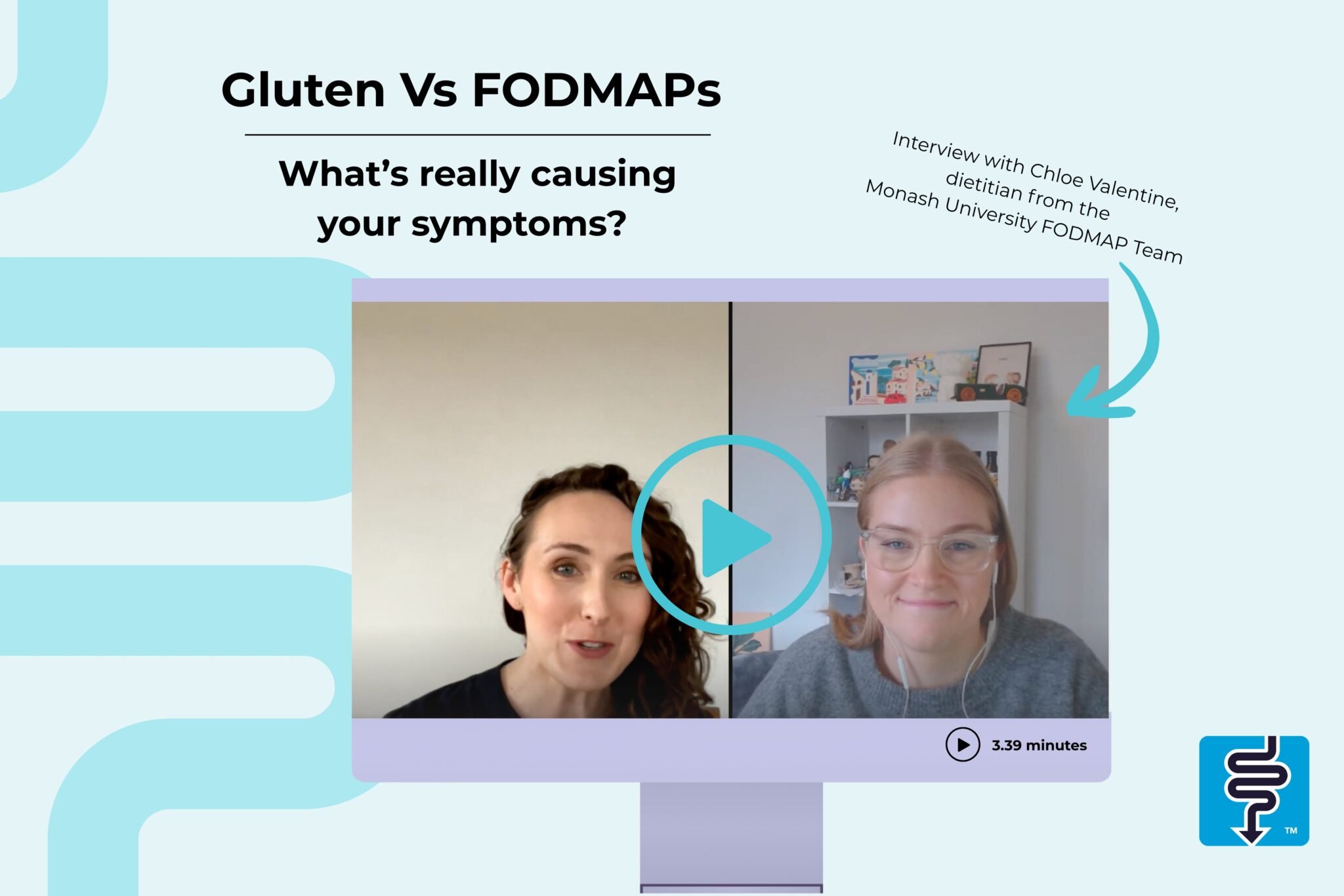
Is Gluten Truly Behind Your Gut Issues?
Gluten represents a specific protein present in various grains, including wheat, rye, and barley. This protein is responsible for providing bread with its characteristic structure and delightful chewy consistency. It is crucial to understand that gluten does not qualify as a carbohydrate, which distinguishes it clearly from FODMAPs.
Individuals suffering from irritable bowel syndrome (IBS) frequently experience adverse reactions to FODMAPs. These are particular types of short-chain carbohydrates that pose challenges for proper digestion within the gut. Notably, grains like wheat, rye, and barley harbor a category of FODMAP known as fructans, which falls under the oligosaccharides group-represented by the “O” in the FODMAP acronym.
Upon arriving in the large intestine, fructans undergo fermentation by the resident gut bacteria. This fermentation process generates gas and pulls water into the bowel area, potentially leading to bloating, general discomfort, and alterations in bowel movements. For those with particularly sensitive digestive systems, even minimal quantities of fructans can provoke noticeable symptoms.
In cases where a diagnosis of IBS has been confirmed, it is advisable to first lower your overall FODMAP consumption before attributing your discomfort directly to gluten itself.
Distinguishing FODMAP Sensitivity from Coeliac Disease
These represent two distinctly separate health conditions:
- IBS and FODMAP sensitivity stem from an excessively reactive gut that responds poorly to foods high in FODMAPs. While FODMAPs such as fructans may induce uncomfortable symptoms, they do not inflict any actual harm or damage to the gut lining.
- Coeliac disease constitutes an autoimmune disorder specifically activated by gluten exposure. In affected individuals, consuming gluten prompts the immune system to aggressively target the small intestine’s lining, resulting in inflammation and sustained damage over time.
Both conditions can manifest with overlapping gastrointestinal symptoms, making it imperative to undergo testing for coeliac disease prior to embarking on either a gluten-free regimen or a low FODMAP eating plan. Eliminating gluten prematurely could skew test outcomes, complicating and delaying an accurate diagnosis. A low FODMAP gluten challenge offers a structured method to navigate this.
Must You Eliminate All Wheat Products Entirely?
The encouraging aspect for those managing IBS is that total elimination of wheat from your diet is typically unnecessary. Numerous wheat-derived products can be incorporated into a low FODMAP diet when consumed in controlled, modest portions.
Consider these examples:
- A single slice of white wheat bread qualifies as low FODMAP.
- A modest helping of wheat-based pasta can similarly align with low FODMAP guidelines.
Portion control and mindful consumption are key factors here. Resources like the Monash University FODMAP Diet App serve as invaluable tools for identifying suitable low FODMAP options and appropriate serving sizes tailored to support gut health. Armed with such guidance, it becomes possible to continue savoring favorite foods while effectively controlling symptoms.
Determining if Gluten or FODMAPs Are the Culprits
When uncertainty persists regarding whether gluten or FODMAPs are driving your gastrointestinal distress, the initial step should involve consultation with a healthcare professional, such as your doctor or a registered dietitian. They are equipped to:
- Exclude coeliac disease through straightforward blood testing procedures.
- Guide you through a systematic low FODMAP elimination phase followed by careful reintroduction to pinpoint tolerances-we offer support for this in dedicated programs.
- Discern specific reactions to fructans, lactose, polyols, or additional FODMAP categories.
Adopting this methodical, step-by-step strategy empowers you to accurately identify your genuine food triggers, fostering the development of a sustainable and adaptable long-term diet plan.
Essential Key Takeaways
- Gluten functions as a protein and is not classified as a FODMAP.
- Fructans present in wheat, rye, and barley are capable of sparking IBS-related symptoms.
- Coeliac disease involves an autoimmune response to gluten that actively harms the gut.
- IBS manifestations arise from heightened gut sensitivity and bacterial fermentation processes, rather than immune-mediated destruction.
- A variety of wheat-containing items remain enjoyable within limited low FODMAP portions.
- Testing for coeliac disease should always precede any decision to exclude gluten.
Concluding Insights
For anyone grappling with questions about whether gluten or FODMAPs are fueling issues like bloating, gas, or other gut disturbances, a deeper examination of the carbohydrates in your dietary intake-rather than fixating solely on the protein components of wheat, rye, and barley-proves enlightening. Grasping the fundamental distinctions between gluten and FODMAPs equips you to render well-informed dietary decisions, enabling a more harmonious and balanced eating approach free from excessive limitations.