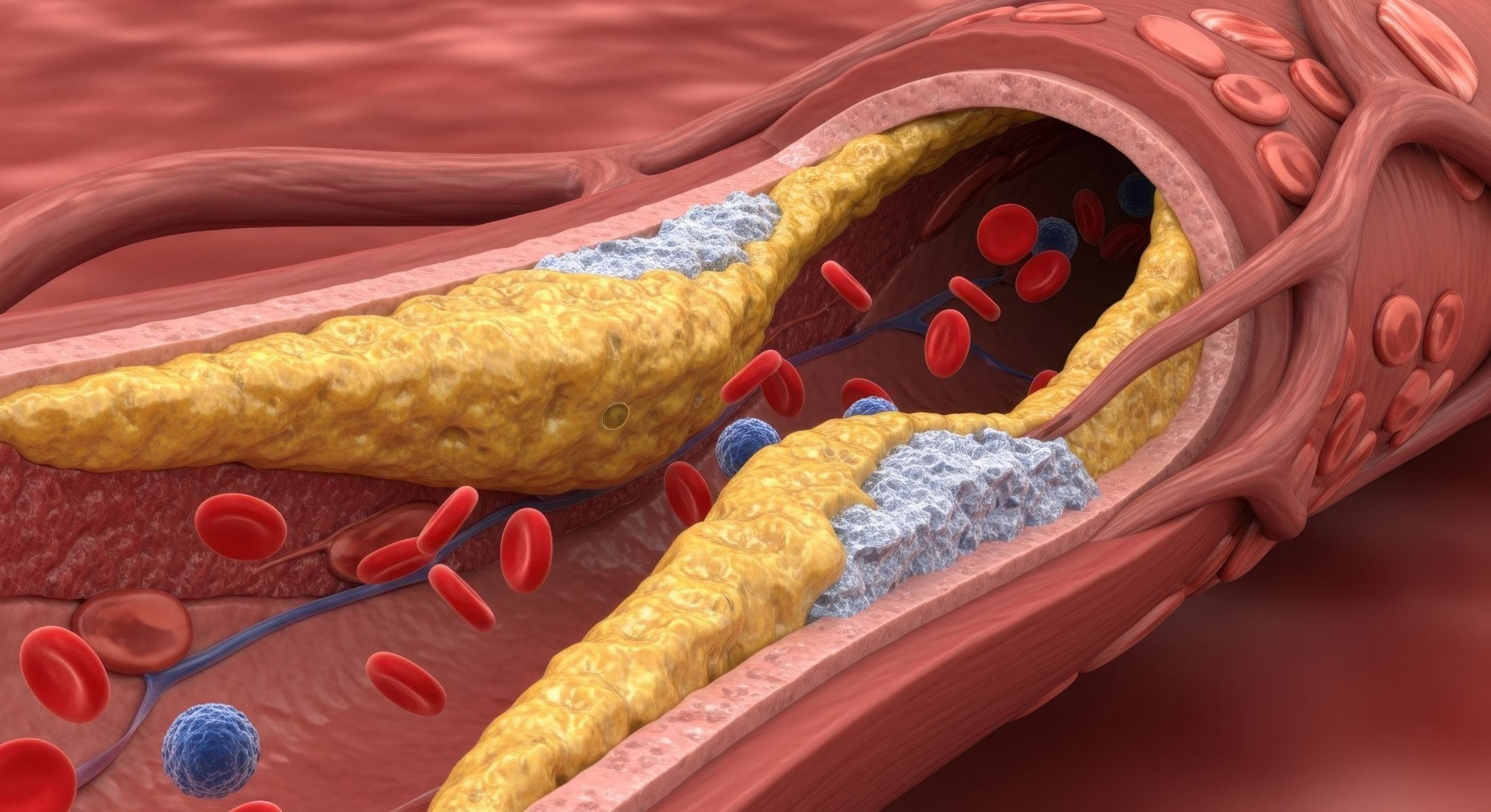
Cardiovascular diseases continue to rank as the primary cause of mortality across the globe. Data from the World Health Organization indicates that nearly 20 million individuals lost their lives to these ailments in 2022, representing approximately 32% of total global deaths. The majority of these conditions originate from the buildup of fatty deposits within arterial walls, which progressively develop into plaques that constrict and stiffen the blood vessels – a pathological process referred to as atherosclerosis.
Traditionally, elevated cholesterol levels have been viewed as the primary culprit behind this condition. Nevertheless, a team of researchers from Spain has identified an innovative pathway involving gut bacteria that plays a significant role in its development.
An accumulating body of research underscores the vital influence of the gut microbiota on maintaining cardiovascular wellness. In a groundbreaking investigation, scientists at the Spanish National Center for Cardiovascular Research Carlos III (CNIC) have pinpointed a specific molecule generated by intestinal bacteria that directly promotes atherosclerosis. This disorder heightens the risk of severe events such as strokes and myocardial infarctions.
Detailed in a recent publication in Nature, this finding paves the way for novel diagnostic strategies, including the detection of this molecule circulating in the bloodstream to enable early identification of at-risk patients. Furthermore, it holds promise for the creation of pharmacological interventions designed to counteract this substance, thereby mitigating the onset of cardiovascular complications.
Researchers reported that this particular metabolite is synthesized by microorganisms residing in the gut. Analysis showed that its detection in the bloodstream correlates strongly with the presence of progressive atherosclerosis among individuals who otherwise appear healthy.
In cases of active atherosclerosis, lipid-rich plaques can become unstable and rupture, triggering the formation of blood clots responsible for strokes and heart attacks. Experimental observations also suggest that this metabolite contributes to inflammatory responses that accelerate plaque development.
Through controlled experiments involving mice exposed to this bacterial molecule, the research team documented the formation of arterial plaques. They also observed elevated systemic inflammation, highlighting potential biological pathways linking gut-derived metabolites and cardiovascular disease progression.
Gut Metabolites and Cardiovascular Health
This revelation is not the initial instance where a gut bacteria-derived molecule has been implicated in cardiovascular outcomes. Certain metabolites, including short-chain fatty acids such as propionate, butyrate, and acetate, have demonstrated protective qualities that support heart health. Conversely, compounds like trimethylamine N-oxide (TMAO) have been established as contributors to the advancement of atherosclerosis.
The CNIC team’s research originated from a comprehensive initiative initiated in 2017, known as the PESA study, which monitors thousands of participants between the ages of 40 and 55 to determine the early stages of cardiovascular disease onset. Findings indicated that approximately 60% of seemingly healthy individuals already exhibited subclinical signs of atherosclerosis. Further analysis revealed that individuals with active atherosclerosis consistently displayed elevated concentrations of this specific bacterial metabolite in their blood samples.
The Mediterranean Diet, a Potential Protector
Study findings demonstrated that reduced concentrations of imidazole propionate are linked to improved cardiovascular status. Individuals adhering to dietary patterns rich in fruits, vegetables, whole grains, fish, and minimally processed foods exhibited lower levels of this metabolite compared to those consuming diets high in saturated fats and processed products.
While these associations are compelling, researchers emphasize that additional investigation is necessary to fully understand the broader biological role of this metabolite, including its potential interactions with immune function.
Further experiments showed that this metabolite can induce atherosclerotic changes in animal models even in the absence of elevated cholesterol levels. These findings may help explain why some individuals develop cardiovascular disease despite lacking traditional risk factors.
A Research Line with Therapeutic Potential
In a promising development, scientists were able to slow the initiation and progression of atherosclerosis in experimental models by blocking the receptor targeted by this metabolite. This discovery highlights new therapeutic possibilities focused on microbiome-related pathways.
The study identifies imidazole propionate as both a contributor to atherosclerosis and a potential therapeutic target. Addressing this gut-derived compound may help reduce cardiovascular risk and support future preventive and treatment strategies.
Reference: Mastrangelo, A., Robles-Vera, I., Mañanes, D. et al. Imidazole propionate is a driver and therapeutic target in atherosclerosis. Nature (2025). https://doi.org/10.1038/s41586-025-09263-w