General Eating Guidelines for Recovery
Recovering from wisdom teeth extraction can present significant challenges, particularly when you must also adhere to a low FODMAP diet to manage digestive sensitivities. The primary focus should be on selecting gentle, soft foods that minimize irritation to the surgical sites in your mouth while simultaneously avoiding ingredients that could trigger gastrointestinal discomfort. By prioritizing these choices, you can promote faster healing in your gums and maintain stability in your gut health throughout the post-operative period.
Essential Eating Recommendations
- Opt for soft consistencies: In the initial days following surgery, concentrate on foods that are smooth, creamy, or thoroughly mashed to reduce any pressure on sensitive areas.
- Maintain moderate temperatures: Steer clear of very hot items, as they have the potential to inflame or aggravate the healing tissues in your mouth; lukewarm or cool options are preferable.
- Take small portions and eat slowly: This approach not only eases the workload on your jaw but also helps prevent excessive air intake, which might otherwise lead to uncomfortable bloating.
- Do not use straws: The suction created by straws poses a risk of disturbing the protective blood clots essential for proper wound recovery.
- Prioritize hydration: Regularly sip plain water to keep yourself well-hydrated. If pain persists, consider gently sucking on ice chips, provided it does not cause additional discomfort.
Phase 1: Liquids and Ultra-Smooth Purees (Days 1–2)
During the very first couple of days, when chewing is virtually impossible, limit yourself exclusively to liquids and purees that demand no mastication whatsoever. These options provide necessary nourishment without compromising the healing process.
- Smooth, lactose-free yogurt: Select varieties that are unsweetened or only mildly sweetened to ensure they align with low FODMAP principles.
- Lactose-free custard or pudding: These creamy desserts offer comforting textures and essential calories.
- Milkshakes prepared with lactose-free milk: When selecting syrups for flavoring, choose those sweetened solely with sugar, glucose, or dextrose. Carefully avoid any products containing high FODMAP additives such as high fructose corn syrup, fructose, sorbitol, mannitol, isomalt, erythritol, or xylitol.
- Strained or pureed low FODMAP soups: Options like creamy pumpkin soup provide warmth and nutrition without any solid particles. Similar choices include creamy leek and potato soup, cozy roast parsnip soup, roasted cumin carrot soup, or creamy potato and bacon soup, all of which can be blended to perfection.
- Smoothies crafted carefully: For the early stages, exclude fruits with seeds such as kiwifruit, blueberries, raspberries, or strawberries. Instead, incorporate firm bananas-those that are purely yellow without any brown spots-to keep it low FODMAP compliant. Detailed smoothie recipes are outlined further below.
- Protein shakes using low FODMAP protein powder: Combine with lactose-free milk for a nutrient-dense, easy-to-consume option that supports tissue repair.
- Jelly in low FODMAP flavors: Flavors like lemon, lime, raspberry, or strawberry are suitable, provided the product uses low FODMAP sweeteners such as sugar, dextrose, or glucose. Avoid any with fruit juice, high fructose corn syrup, fructose, sorbitol, mannitol, isomalt, erythritol, or xylitol. During recovery, sugar-based jelly is perfectly acceptable. For extra benefits, prepare a milky jelly version using lactose-free milk to increase protein and overall nutrition.
- Lactose-free ice cream or coconut-based ice cream: Ensure the brand avoids high FODMAP elements like inulin, chicory root fiber, fruit juice, high fructose corn syrup, fructose, sorbitol, mannitol, isomalt, erythritol, or xylitol. Test tolerance to the cold sensation, as it may feel intense initially.
- Chocolate tofu mousse: A decadent dark chocolate mousse offers a velvety texture packed with protein, calcium, and sustained energy.
- Meal replacement drinks: In regions where available, seek out low FODMAP certified nutritional supplements. Consult resources like the Monash University FODMAP Diet app for specific brand suggestions by searching for nutritional supplements.
Phase 2: Introducing Soft, Mashable Solids (Days 3–5)
As discomfort and swelling begin to subside around days three through five, gradually incorporate soft solids that can be easily mashed with minimal effort. This progression allows for increased variety while still protecting your mouth.
- Plain mashed potatoes: Prepare using lactose-free milk along with butter or olive oil for creaminess. If planning ahead, make homemade gravy before surgery, freeze it, and pair it with the mash for enhanced flavor.
- Scrambled eggs: Cook them softly, incorporating lactose-free milk and cheese for added moisture and taste.
- Soft polenta or cream of rice: These grains provide comforting, easy-to-swallow bases.
- Oatmeal or porridge: Use rolled oats with low FODMAP milk in controlled portions if well-tolerated. Rice flakes serve as an excellent oat-free alternative.
- Cottage cheese or ricotta: Limit to a low FODMAP serving of 2 tablespoons per sitting.
- Soft fish varieties: Baked salmon or white fish, flaked thoroughly after cooking, or canned tuna blended with lactose-free yogurt or mayonnaise.
- Steamed carrots and zucchini: Steam until very tender, mash smooth, and monitor portion sizes closely.
- Firm banana mashed in: Use yellow bananas without brown spots, blended into oatmeal, porridge, or rice flakes.
- Limited avocado: Up to 60 grams or 2.1 ounces per meal for healthy fats.
- Soft gluten-free pasta or rice noodles: Toss with lactose-free cheese sauce or simply olive oil.
- Homemade low FODMAP hummus: A smooth dip that adds variety and nutrients.
Phase 3: Transition to Gently Chewable Foods (Day 5 and Beyond)
Once gentle chewing becomes feasible starting around day five, broaden your dietary horizons with foods that require light mastication but remain tender.
- Tender chicken: Opt for slow-cooked or shredded preparations.
- Turkey, chicken, or pork meatballs: Ensure they are thoroughly cooked to achieve a soft, yielding texture.
- Cheesy chicken fritters: These provide protein in a manageable form.
- Well-cooked rice or quinoa: Fully softened for easy consumption.
- Slow cooker chicken soup: A nourishing, low-effort option.
- Frittata or soft omelette: Customize by omitting higher FODMAP vegetables like broccoli and green beans.
- Shepherd’s pie: Constructed with lean meat, mashed potatoes, and suitable low FODMAP vegetables.
- Soft gluten-free pancakes: Topped with blueberries or kiwi for natural sweetness.
- Smooth peanut butter: In moderation for added flavor and fats.
Phase 4: Resuming Standard Low FODMAP Meals (Day 7 Onward)
By approximately one week post-surgery, the majority of individuals find they can comfortably return to their routine low FODMAP meals as chewing ability improves. Thoughtfully selected foods during this period will aid in gum tissue regeneration and sustain digestive equilibrium.

Delicious Low FODMAP Banana Smoothie Variations
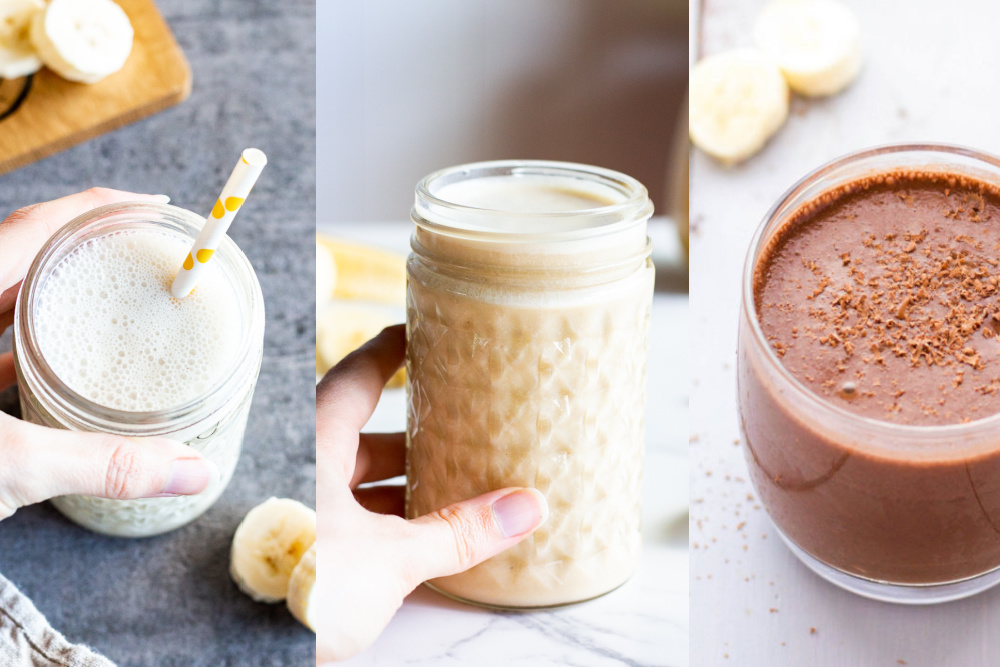
The following banana smoothie recipes are perfectly tailored for the initial phase of the low FODMAP diet, making them ideal during early recovery. For an added nutritional punch, incorporate 50 grams or 1.75 ounces of firm tofu into any of these blends to elevate protein and calcium levels. Preparing fortified smoothies ensures you receive a concentrated dose of vital nutrients while healing from oral surgery. To save time, pre-freeze your bananas so they are always blender-ready.
Chocolate Banana Smoothie Recipe
- 1 small (80 g/2.8 oz) firm or just-yellow banana (no brown spots)
- 1 cup (250 ml) low FODMAP milk (such as lactose-free milk, almond milk, or soy milk from soy protein)
- 1 tbsp cocoa powder (gluten-free if required)
- ½ tsp vanilla essence
- 2 tsp pure maple syrup
- 1 pinch ground cinnamon (optional, for a subtle warm note)
- 5 ice cubes
Combine all components in a blender and process until achieving a completely smooth consistency.
Peanut Butter Banana Smoothie Recipe
- 1 cup (250 ml) low FODMAP milk (lactose-free milk, almond milk, or soy milk from soy protein)
- 1 small (80 g/2.8 oz) firm or just-yellow banana (no brown spots)
- 2 tbsp smooth peanut butter
- ½ tsp vanilla essence
- 4 ice cubes
- 1 tsp pure maple syrup (adjust to preference)
Blend everything together until velvety smooth.
Vanilla Banana Smoothie Recipe
- 1 small (80 g/2.8 oz) firm or just-yellow banana (no brown spots)
- ¾ cup (188 ml) low FODMAP milk (lactose-free milk, almond milk, or soy milk from soy protein)
- ¼ cup (63 ml) plain lactose-free yogurt (or coconut yogurt)
- ½ tsp vanilla essence
- 2 tsp pure maple syrup (optional)
Blend all ingredients to a creamy, lump-free texture.
Foods to Steer Clear of During Recovery
To optimize gum healing and minimize gut disturbances, eliminate specific items that could hinder progress or exacerbate symptoms.
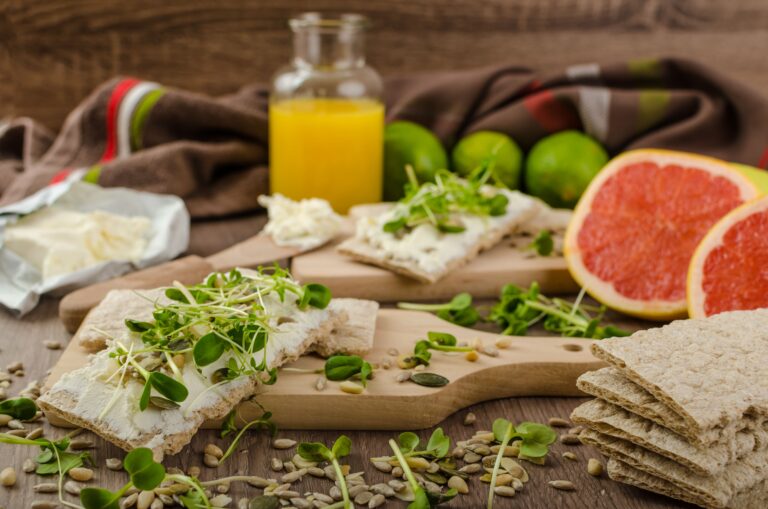
- Crunchy, hard, or sharp-edged foods like chips, nuts, raw carrots, or crusty toast, which risk irritating or injuring delicate tissues.
- Fizzy or carbonated beverages, known to amplify bloating and potentially bother surgical sites.
- Spicy or acidic preparations, as they can cause stinging sensations in open areas.
- Coffee and other caffeinated beverages for at least the first five days.
- Seeded fruits for the initial two weeks until full healing occurs: kiwifruit, strawberries, raspberries, blueberries.
- High FODMAP fruits including apples, pears, mango, and stone fruits, which may provoke bloating or bowel irregularities.
- High FODMAP vegetables such as onion, garlic, cauliflower, and mushrooms, prone to triggering similar digestive issues.
Guidance on Juices and Sports Drinks
Before incorporating juices or sports drinks, consult your dentist or oral surgeon. Excessive consumption may introduce high sugar levels that foster bacterial proliferation, heighten inflammation, and delay recovery.
Should your dental professional approve, select low FODMAP versions with these criteria:
Cranberry juice or drink: Must be sweetened with low FODMAP options like sucrose, sugar, glucose, or dextrose. For reduced sugar, opt for stevia (sterol glycosides) or sucralose varieties. Stick to a ½ cup serving, spacing intakes by a few hours. Refer to the Monash University FODMAP App for detailed guidance.
Sports drinks (e.g., Powerade or Gatorade): Choose those sweetened with sucrose, sugar, glucose, or dextrose. Low-sugar alternatives with stevia (sterol glycosides) or sucralose are also suitable.
Incorporating a Fiber Supplement
Fiber plays a pivotal role in IBS symptom control. Surgical recovery often alters eating patterns and food types, disrupting regular fiber consumption and potentially intensifying constipation or diarrhea.
A dedicated fiber supplement helps sustain adequate intake during this time. Favor dissolvable types like psyllium husk or partially hydrolyzed guar gum (PHGG). Dissolve it in water or mix into soups and smoothies, ensuring full dissolution to avoid any gritty particles that could irritate your mouth. Begin with a modest dose, such as ½ teaspoon, and gradually increase. Ideally, introduce the supplement a couple of weeks pre-surgery to acclimate your system.
Additional Strategies for Diarrhea and Constipation Management
Post-surgery bowel changes are frequent, often linked to pain medications. Implement these targeted tactics as needed:
- For constipation: Discuss stool softeners with your pharmacist to counteract medication effects. A fiber supplement, as previously detailed, can also prove beneficial.
- For diarrhea: Emphasize binding foods such as soft white rice, small portions of firm bananas (no brown spots), and plain mashed potatoes. Consult your doctor regarding suitable medications if symptoms persist.
Concluding Recommendations
These thoughtfully curated soft, low FODMAP food suggestions, combined with practical symptom management techniques, should facilitate a smooth recovery from wisdom teeth removal without compromising your gut health. Experiment with these ideas to discover what suits you best during this healing phase.