Low FODMAP snacks have a branding problem.
They’re often presented like diet punishment: tiny portions, bland textures, and “safe” foods that leave you hungrier than before you started.
But if you’re managing IBS, snacks aren’t a moral test. They’re logistics. They’re the difference between steady digestion and the classic spiral: get too hungry → eat too fast → overeat → flare.
This guide is built for real life: real portions, real satiety, and real convenience. The kind of snacks that feel normal — and pair perfectly with meal prep because they prevent the gaps that meal prep alone can’t always cover.
Why IBS-Friendly Snacks Should Focus on Satiety (Not Just “Safety”)
Many IBS snack lists focus on avoiding ingredients. That matters — but it’s incomplete. A snack can be technically “safe” and still be a problem if it doesn’t keep you full.
When you go too long without eating, your body often shifts into a higher-stress state. That can increase gut reactivity and make digestion feel less predictable. Digestive health resources like NIDDK’s IBS overview highlight that IBS symptoms vary widely and can be influenced by patterns and routines — not just single foods.
A satisfying snack does three things:
- Prevents blood-sugar dips that can amplify stress and gut sensitivity
- Stops the “eat everything later” rebound
- Creates predictable digestion by avoiding huge meals after long gaps
The “Not Diet Food” Rule: Build Snacks Like Mini Meals
If you want snacks that actually work, use this simple formula:
- Protein (to stay full)
- Fat (to slow digestion and increase satisfaction)
- Carb or fruit (to feel energized, not depleted)
You don’t need perfect macros. You need a snack that makes your body go: okay, we’re good.
Low FODMAP Snacks That Feel Normal (With Real Portions)
Portion sizes vary by tolerance. Use these as realistic starting points and adjust. If you want a formal reference point, Monash University’s FODMAP resources emphasize that portion size is often the difference between tolerated and triggering. (See: Monash FODMAP guidance.)
1) The “Protein Anchor” Snack
This is the one that prevents a late-afternoon crash.
- 2 boiled eggs or a protein portion you tolerate well
- 1 serving of fruit (strawberries, blueberries, kiwi, or a small firm banana)
It’s simple, portable, and feels like actual food — not a diet hack.
2) Lactose-Free Yogurt Bowl (Fast + Filling)
- Lactose-free yogurt
- A small handful of nuts you tolerate (walnuts, pecans, macadamias)
- Optional: a small portion of berries for sweetness
This one works because it’s creamy, satisfying, and takes 60 seconds.
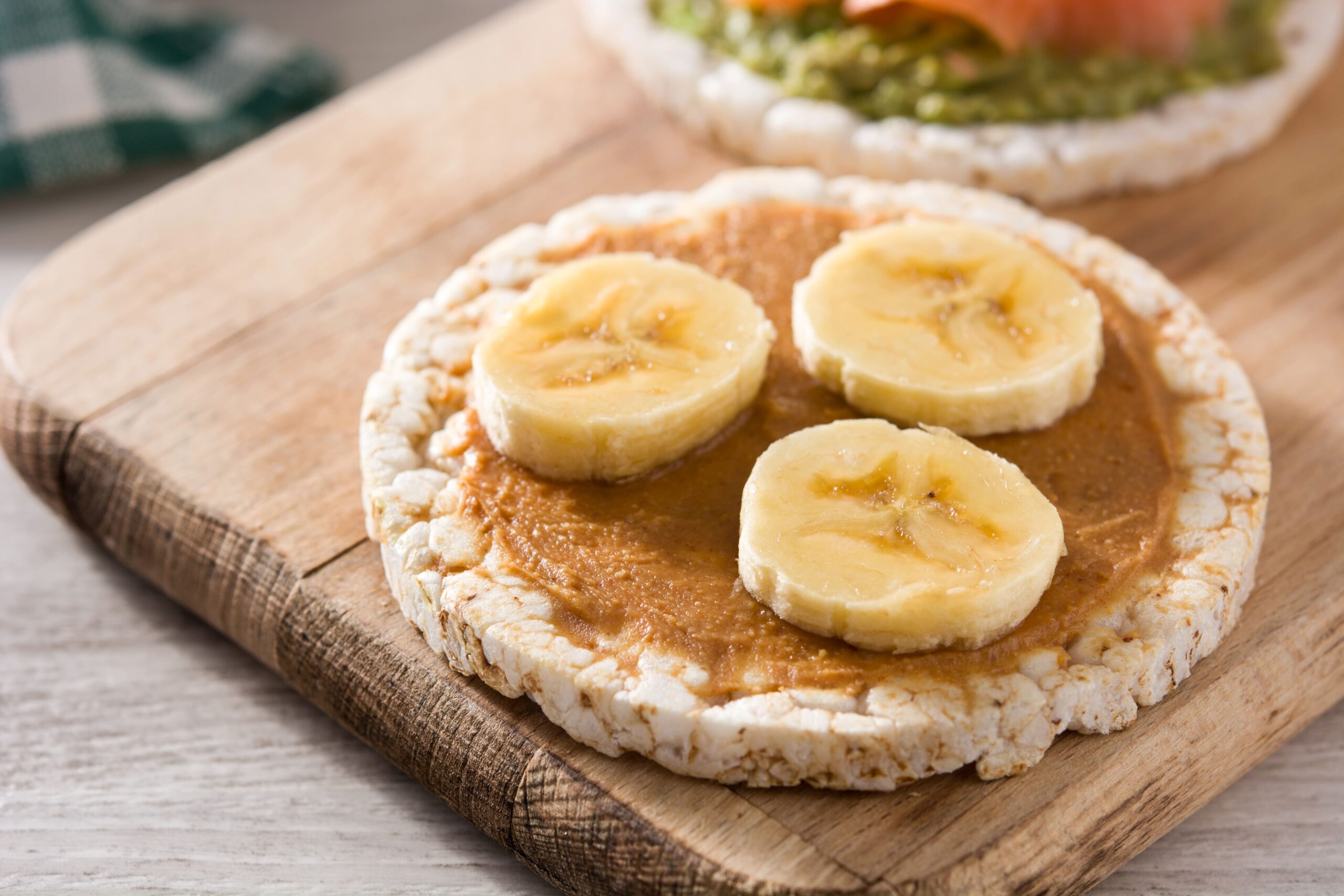
3) Rice Cakes + Peanut Butter (The Crunch + Fat Combo)
- 2 rice cakes
- Peanut butter (moderate portion)
Rice cakes alone can feel like air. Adding fat and protein makes it a real snack.

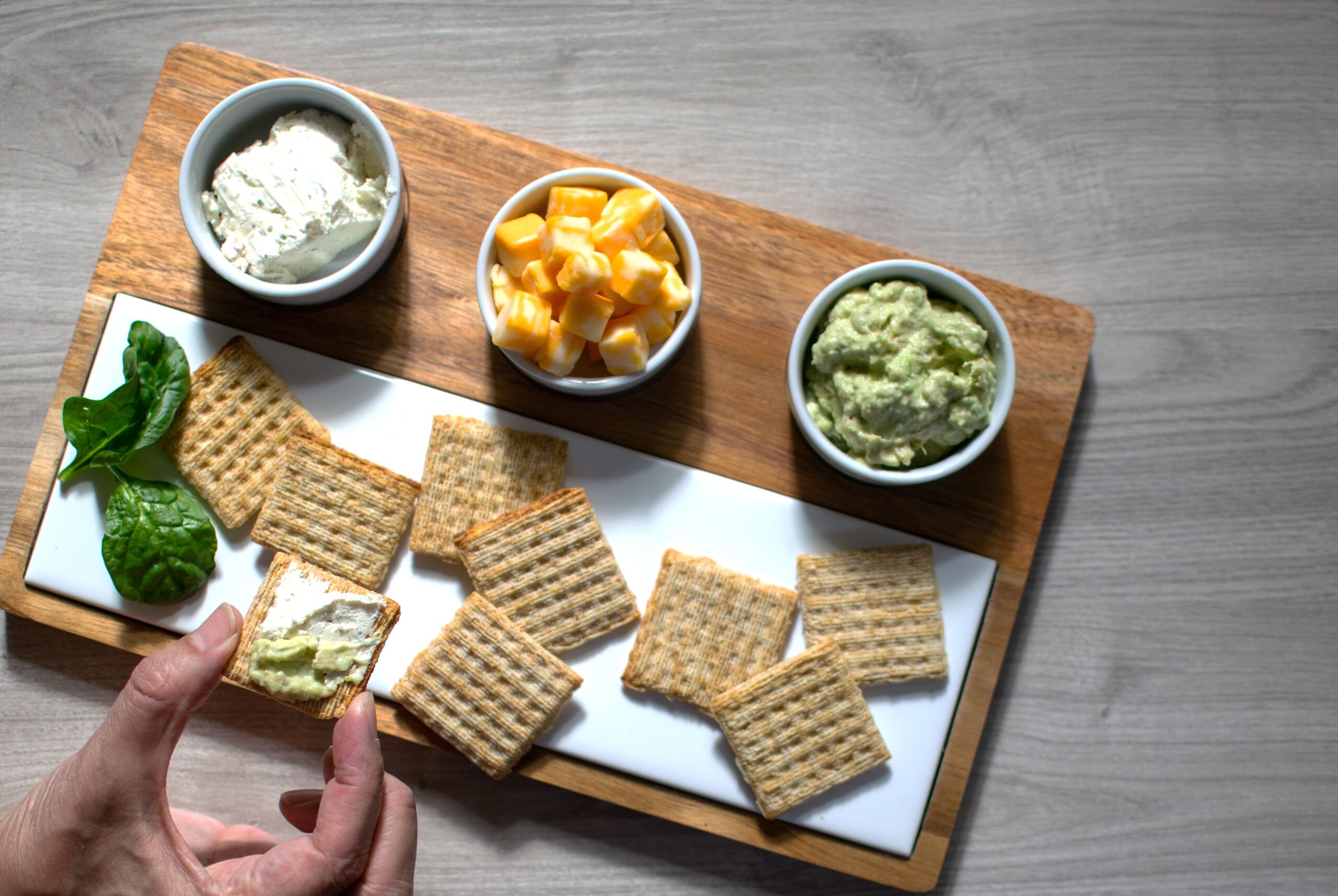
4) Cheese + Crackers (The “I Need Something Savory” Fix)
- Hard cheese (a portion you tolerate)
- Plain crackers or rice-based crackers
Savory snacks are underrated in IBS management — they reduce the “I need sugar” impulse and feel more grounding.
5) Tuna + Rice Crackers (Convenience With Substance)
- Small tuna portion
- Rice crackers
- Optional: cucumber slices for freshness
This is one of the most “meal-prep companion” snacks because it’s protein-forward and keeps you stable.
6) A Simple Trail Mix That Doesn’t Betray You
Many trail mixes are FODMAP chaos (dried fruit, honey coating, mystery additives). Keep it simple:
- Nuts you tolerate
- Optional: dark chocolate squares (small portion)
Pre-portion it once and you have a grab-and-go snack for the whole week.
Convenience Snacks for Busy Days (No Prep, No Drama)
Let’s be honest: the snack you’ll eat is the one that’s available.
If your day gets unpredictable, build a small “IBS-safe stash” where you actually need it:
- In your bag
- In your car
- At your desk
Try:
- Plain rice crackers
- Portioned nuts
- Simple protein options you tolerate
- Fruit that travels well (like kiwi or firm banana)

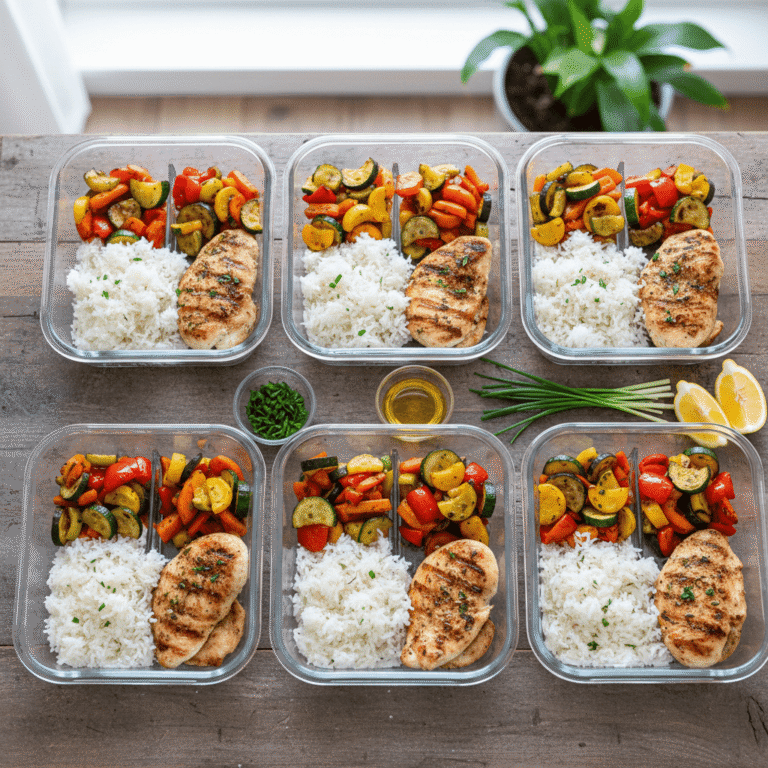
The Meal Prep Companion Strategy (So You Don’t Rely on Willpower)
Meal prep solves meals. It doesn’t always solve timing.
This is where snacks matter:
- If lunch is delayed, you don’t arrive at dinner starving.
- If your commute runs long, you don’t gamble on random food.
- If stress is high, you don’t end up eating too fast.
A simple weekly plan:
- Pick two “home snacks” (fridge-based)
- Pick one “portable snack” (bag-based)
- Pre-portion once — make it automatic
When a “Safe Snack” Still Triggers Symptoms
If you eat a safe snack and still flare, don’t assume you “failed” the diet.
Sometimes it’s the context:
- You ate too fast
- You were already stressed or exhausted
- You waited too long and your gut was on edge
- The portion was bigger than your tolerance window that day
This is why IBS management is rarely just food. If you want a broader foundation, the NHS IBS guidance is a helpful mainstream overview of how routine, stress, and diet interact.
Final Thoughts: The Best Low FODMAP Snacks Feel Boring (In a Good Way)
When snacks are predictable, satisfying, and convenient, IBS management feels less like a constant puzzle.
The goal isn’t to snack perfectly. It’s to snack in a way that makes your day steadier — and your meals easier.
You deserve snacks that feel like normal food. Because they are.
References & Further Reading