Prioritize Quality, Restful Sleep
Research indicates that individuals experiencing disruptions in their sleep patterns often notice a worsening of their gastrointestinal issues. This connection implies that enhancing the quality of your sleep could significantly alleviate symptoms related to the gut. It is well-established that inadequate sleep can amplify pain perception and elevate stress levels, both of which may contribute to more frequent and intense flare-ups in the digestive tract.
To foster better sleep habits, consider implementing the following practical strategies:
- Maintain a fixed schedule for going to bed and waking up each day to regulate your internal clock.
- Avoid consuming caffeine or heavy meals close to bedtime to prevent interference with your sleep cycle.
- Minimize exposure to screens for a minimum of one hour prior to bedtime to allow your mind to unwind.
Establishing a soothing pre-sleep ritual can promote the natural release of sleep-inducing hormones, enabling your body to undergo essential repair and recovery processes during the night. Over time, these consistent practices can lead to deeper, more restorative sleep, which in turn supports overall gut health and resilience against IBS symptoms.
Incorporate Regular, Gentle Physical Activity
Engaging in mild to moderate physical movement offers multiple benefits for those dealing with IBS symptoms. Such activities facilitate the smooth progression of food through the digestive tract, promote consistent bowel habits, and trigger the production of endorphins-often called the body’s natural mood elevators-that help mitigate stress.
There’s no requirement for high-intensity workouts like marathon running or high-intensity interval training sessions. Simple, low-impact exercises such as brisk walking, swimming, biking, or practicing yoga are sufficient to provide relief for your digestive system. Moreover, everyday movements like tending to your garden, performing household chores, or engaging in play with children all contribute positively without demanding dedicated exercise time. Particularly beneficial are yoga poses and stretching routines, which excel at expelling trapped intestinal gas and diminishing feelings of bloating and discomfort.
Strengthen the Brain-Gut Axis Connection
The intricate communication pathway between the brain and the gut means that emotional states like stress and anxiety can profoundly influence digestive function. Poor gut health can provoke feelings of worry and tension, while heightened stress can, in turn, exacerbate gut troubles, forming a vicious cycle of symptoms that reinforces itself.
Interventions targeting this brain-gut relationship, including gut-directed hypnotherapy, have demonstrated effectiveness in interrupting this pattern. This scientifically supported method employs guided relaxation exercises and mental imagery to recalibrate how your nervous system and digestive organs react to stressful triggers. Professionals trained in this therapy or reliable digital applications can guide you through sessions tailored to your needs, offering a non-invasive path to symptom relief.
Consider Natural Remedies for Symptom Relief
For those seeking plant-based solutions to manage discomfort, specific herbal remedies show promise. Capsules containing enteric-coated peppermint oil, along with multi-herb formulations like Iberogast, function as gentle muscle relaxants in the intestines, helping to soothe spasms, reduce pain, and alleviate cramping.
Scientific investigations have indicated that these options are generally safe and easily tolerated for short-term use in addressing certain IBS manifestations. Nevertheless, it remains crucial to consult with a healthcare provider or registered dietitian prior to incorporating any new supplements into your regimen, ensuring they align with your personal health profile and any existing treatments.
Maintain a Steady Daily Eating Schedule
Consistency in meal timing can be one of the most supportive elements for digestive well-being. Recent research involving IBS patients revealed that those adhering to regular eating patterns experienced more than a 50% reduced likelihood of encountering severe symptoms when compared to individuals with erratic meal habits.
Irregular eating, such as omitting meals or consuming oversized portions after extended fasting periods, places undue strain on the gastrointestinal system, potentially leading to bloating, unpredictable bowel movements, and other distress signals. Instead, strive for three nutritionally balanced meals daily, supplemented by light snacks distributed evenly across your waking hours. This structured approach stands out as a straightforward yet powerful method to nurture a more stable and comfortable digestive environment.
Wrapping Up Key Insights
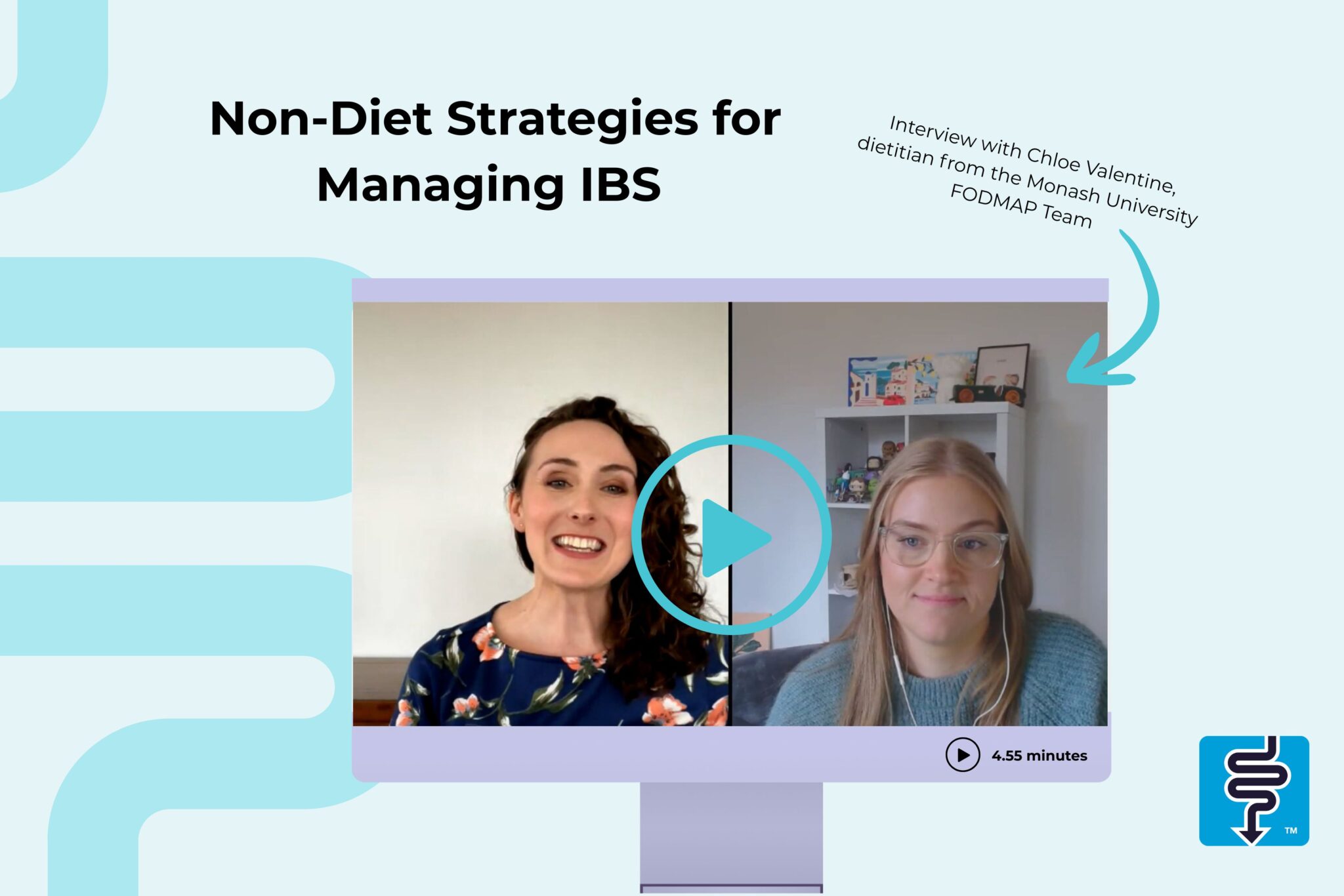
Effectively handling IBS extends far beyond dietary adjustments alone. A diverse array of non-dietary tactics-including optimizing sleep quality, embracing regular movement, addressing stress through targeted therapies, experimenting with herbal supports, and sticking to predictable eating rhythms-can collectively diminish symptom severity. Frequently, it’s these incremental, everyday adjustments that yield the most substantial long-term improvements in quality of life.