For many people, IBS doesn’t begin gradually. It begins with a clear event — food poisoning, a stomach virus, or a severe gastrointestinal illness that seemed to resolve… except the gut never fully returned to normal.
Weeks later, symptoms remain. Bloating. Urgency. Sensitivity to foods that were never a problem before. What was once an acute infection becomes something persistent.
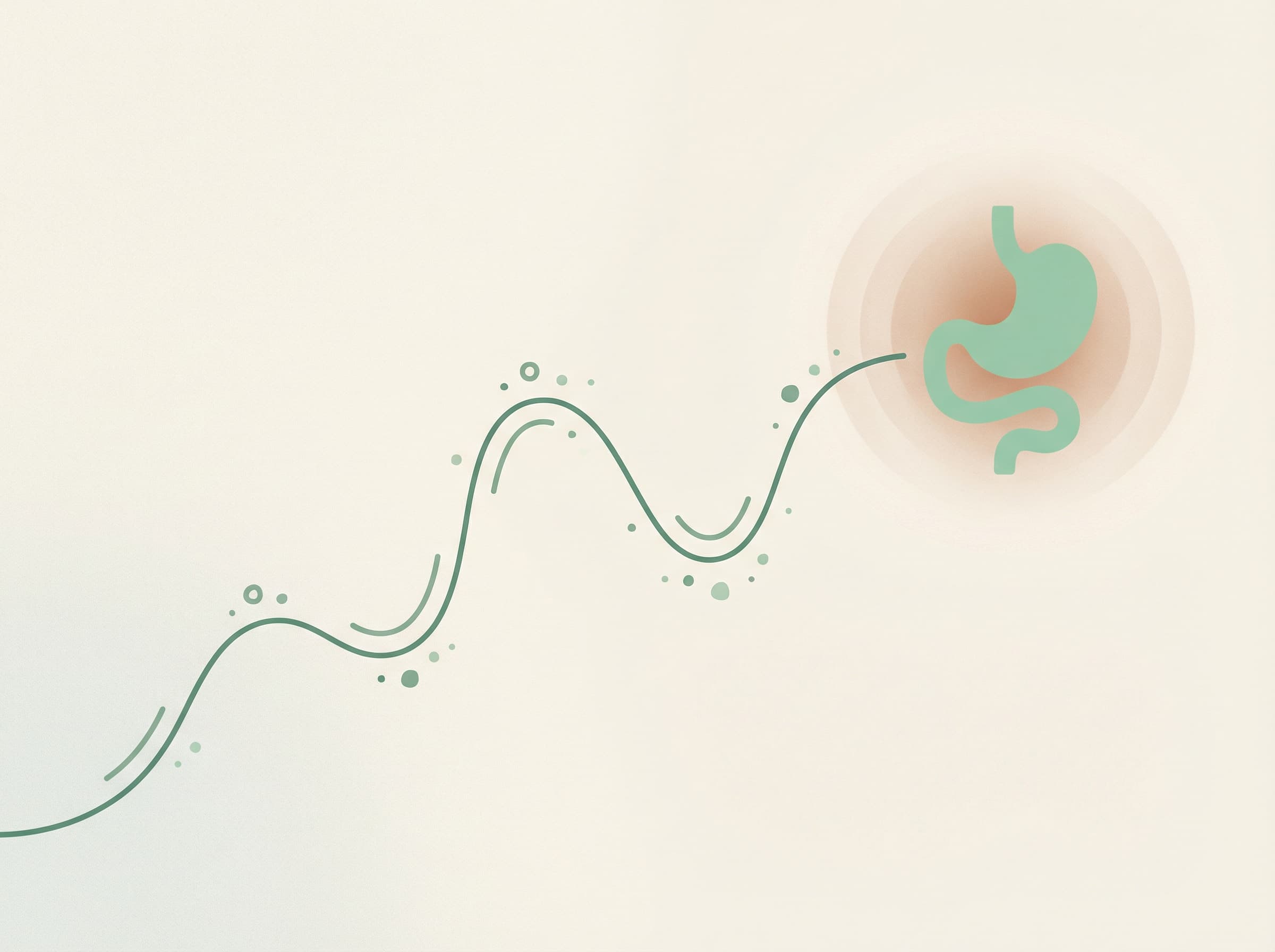
This is known as post-infectious IBS (PI-IBS) — a well-documented condition where digestive symptoms continue long after the original infection has cleared.
Understanding this process can help explain why IBS sometimes appears suddenly — and why it behaves differently than food-triggered symptoms alone.
What Is Post-Infectious IBS?
Post-infectious IBS develops after an acute gastrointestinal infection — often caused by bacteria, viruses, or parasites. Even after the infection resolves, digestive symptoms persist.
According to research summarized by the National Institute of Diabetes and Digestive and Kidney Diseases (NIDDK), a subset of IBS cases begins after infectious illness.
The infection itself ends. But its effects on gut regulation, sensitivity, and microbial balance can last much longer.
How Infection Changes the Gut Environment
During gastrointestinal infection, the digestive tract undergoes multiple forms of stress:
- Inflammation of the intestinal lining
- Disruption of the normal microbiome
- Altered motility patterns
- Activation of immune signaling pathways
These changes help the body clear infection — but they can also alter how the gut functions afterward.
Research published in gastroenterology journals indexed through PubMed shows that intestinal infections can leave lasting effects on gut physiology, even after the pathogen is gone.
Microbiome Disruption: When the Ecosystem Doesn’t Fully Reset
The gut microbiome plays a central role in digestion, immune regulation, and gas production. Infection can disrupt this ecosystem significantly.
After infection, the microbiome may:
- Lose diversity
- Develop imbalances in bacterial populations
- Produce different fermentation patterns
This altered microbial environment can contribute to persistent bloating, discomfort, and unpredictable digestion.

Persistent Low-Grade Inflammation
Even after visible symptoms of infection disappear, low-level inflammation may persist in the intestinal lining.
This can affect:
- Nerve sensitivity
- Motility coordination
- Immune signaling
This increased sensitivity means the gut may react more strongly to normal digestive processes.
Clinical research summarized by the American Gastroenterological Association recognizes post-infectious IBS as a distinct and biologically supported pathway to chronic symptoms.
Changes in Gut Motility and Nervous System Signaling
Infection can alter how the nervous system communicates with the digestive tract.
This may lead to:
- Faster transit time (associated with diarrhea)
- Slower transit time (associated with constipation)
- Irregular digestive coordination
These changes are not caused by ongoing infection — but by how the gut and nervous system adapt afterward.
Why Symptoms Can Persist Long After the Infection Ends
The original infection is temporary. But its effects on the gut’s regulatory systems can be longer lasting.
Factors that contribute to persistence include:
- Microbiome disruption
- Nervous system sensitization
- Changes in intestinal permeability
- Motility dysfunction
This combination can create ongoing IBS-like symptoms even when the original illness is gone.

Post-Infectious IBS Is Common — and Often Misunderstood
Many individuals assume their symptoms must still be caused by something they’re eating. But in post-infectious IBS, the digestive system itself has become more sensitive.
This sensitivity is not imagined. It reflects real physiological changes in gut function and regulation.
Medical institutions such as Johns Hopkins Medicine recognize that IBS can develop after infectious illness and persist as a functional condition.
Recovery Often Happens Gradually
For many individuals, post-infectious IBS improves over time as the nervous system, microbiome, and intestinal lining gradually stabilize.
This process can take months or longer, depending on individual physiology and environmental factors.
Importantly, symptom persistence does not mean ongoing infection. It reflects how the gut has adapted after the event.
Final Thoughts: IBS That Begins After Infection Has a Clear Biological Basis
Post-infectious IBS is not random. It is the result of measurable changes in gut physiology following illness.
Understanding this origin helps replace confusion with clarity. Symptoms are not a mystery — they are the consequence of a system recovering and recalibrating.
With time and stability, many individuals experience gradual improvement.
References & Further Reading