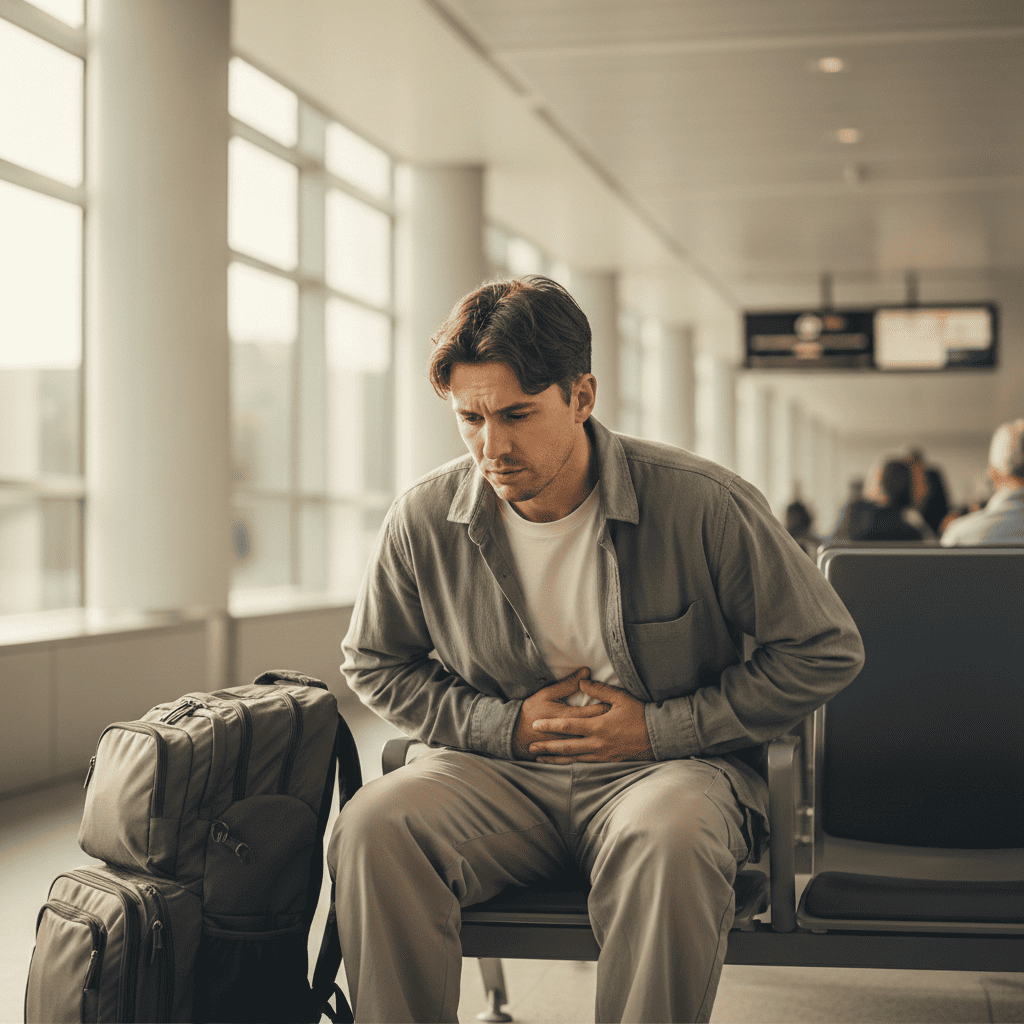
If you live with IBS, you know that some of the most stressful events in life can trigger your gut. A long day of travel, a stressful work meeting, or even an extended commute can set off symptoms that are hard to predict – and harder to control.
But IBS doesn’t have to derail your plans. With some planning and practical strategies, you can prepare for high-stress situations while managing your gut health. It’s about controlling what you can, and giving yourself a little grace for what you can’t.
Why High-Stress Events Trigger IBS Symptoms
When you’re facing a high-stress situation – like traveling, attending a meeting, or dealing with long commutes – your body goes into “fight-or-flight” mode. The autonomic nervous system shifts, activating the sympathetic system, which diverts resources from digestion to more urgent functions (like getting away from danger).
This shift is part of your natural stress response. But when you have IBS, the digestive system is already more reactive, and this activation can trigger:
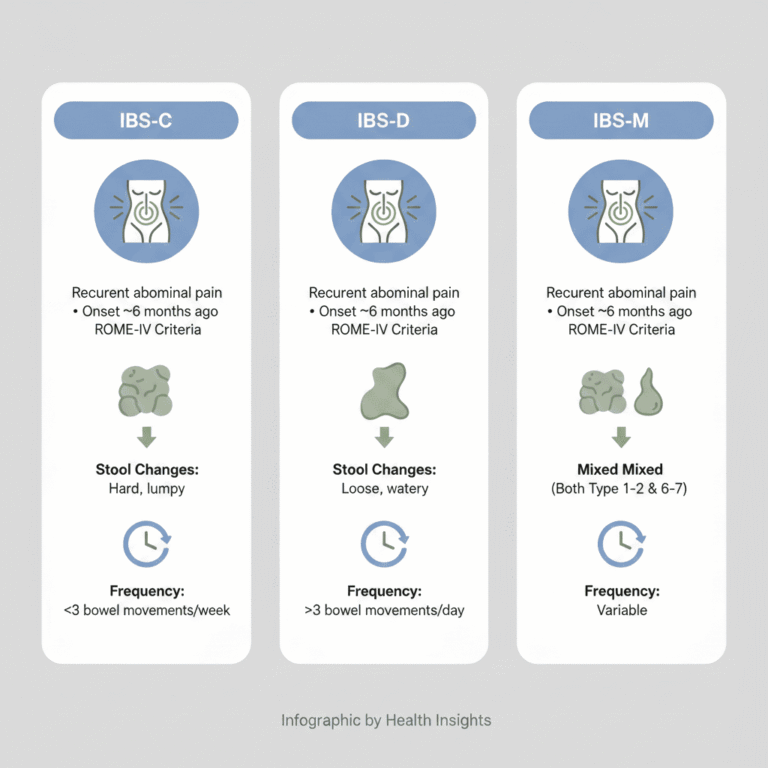
- Urge to go – or diarrhea (IBS-D)
- Constipation (IBS-C)
- Abdominal pain or bloating
- More sensitivity to food
The key to managing these situations is pacing, prioritizing rest, and managing stress levels before, during, and after the event.

Step 1: Prioritize Pacing Over Perfection
One of the most powerful tools in managing IBS during high-stress situations is pacing. This is especially important when you know that travel, meetings, or commutes will demand a lot from you.
When you pace yourself, you’re giving your body permission to go at a more manageable pace, rather than rushing through every moment, which increases stress and triggers IBS symptoms.
Time Your Meals
Don’t skip meals or eat too close to your event. Skipping meals can leave you more vulnerable to stress, and eating too close to an event may lead to bloating or discomfort.
Plan:
- Eat small, balanced meals 2–3 hours before your event.
- Opt for familiar, gut-friendly foods that you know are safe.
Take Mini-Breaks
This applies to travel, long commutes, and meetings. Sitting in one position for too long can increase stress and trigger gut symptoms.
Plan:
- For long commutes, stop every 30 minutes to stretch, walk around, or simply take 5 deep breaths.
- If you’re in meetings or travel, take small breaks when possible to reset and breathe.
Step 2: Prepare a “Plan B” for the Unexpected
Even with the best planning, IBS flare-ups can still happen – and that’s okay. Having a “Plan B” can help you feel more in control.
Identify Safe Spaces
Before you leave for a high-stress event, find out where the bathrooms are located – especially when traveling. Knowing where the nearest bathroom is can significantly reduce stress during a flare.
Pack Emergency IBS Relief
Always carry a “rescue kit” with you, including:
- IBS-safe snacks (like rice cakes, bananas, or nuts)
- Water (to stay hydrated and support digestion)
- Medication (anti-diarrheal or antispasmodics, if prescribed)
- Peppermint oil capsules (to help soothe cramping)
Step 3: Use Breathing and Relaxation Techniques to Regulate Your Nervous System
Stress doesn’t just affect your gut – it also affects how your nervous system responds to the event. By using breathing exercises and relaxation techniques, you can lower your overall stress level, which directly impacts how your gut reacts.
Breathing Techniques
Use diaphragmatic breathing (belly breathing) to help activate the parasympathetic nervous system and calm your body.
How to Do It:
- Inhale deeply through your nose for 4 seconds.
- Exhale slowly through your mouth for 6–8 seconds.
- Repeat for 3–5 minutes.
Progressive Muscle Relaxation
Another great relaxation technique is progressive muscle relaxation. This helps release physical tension that builds during stress.
How to Do It:
- Start at your feet and work your way up through your body, tightening and then relaxing each muscle group.
- Focus on releasing tension from your shoulders, jaw, and abdominal muscles – areas that are especially affected by IBS.
Step 4: Consider Your Sleep and Recovery
Managing stress doesn’t stop at the event. You also need to recover afterward – and that starts with good sleep.
Get Enough Rest
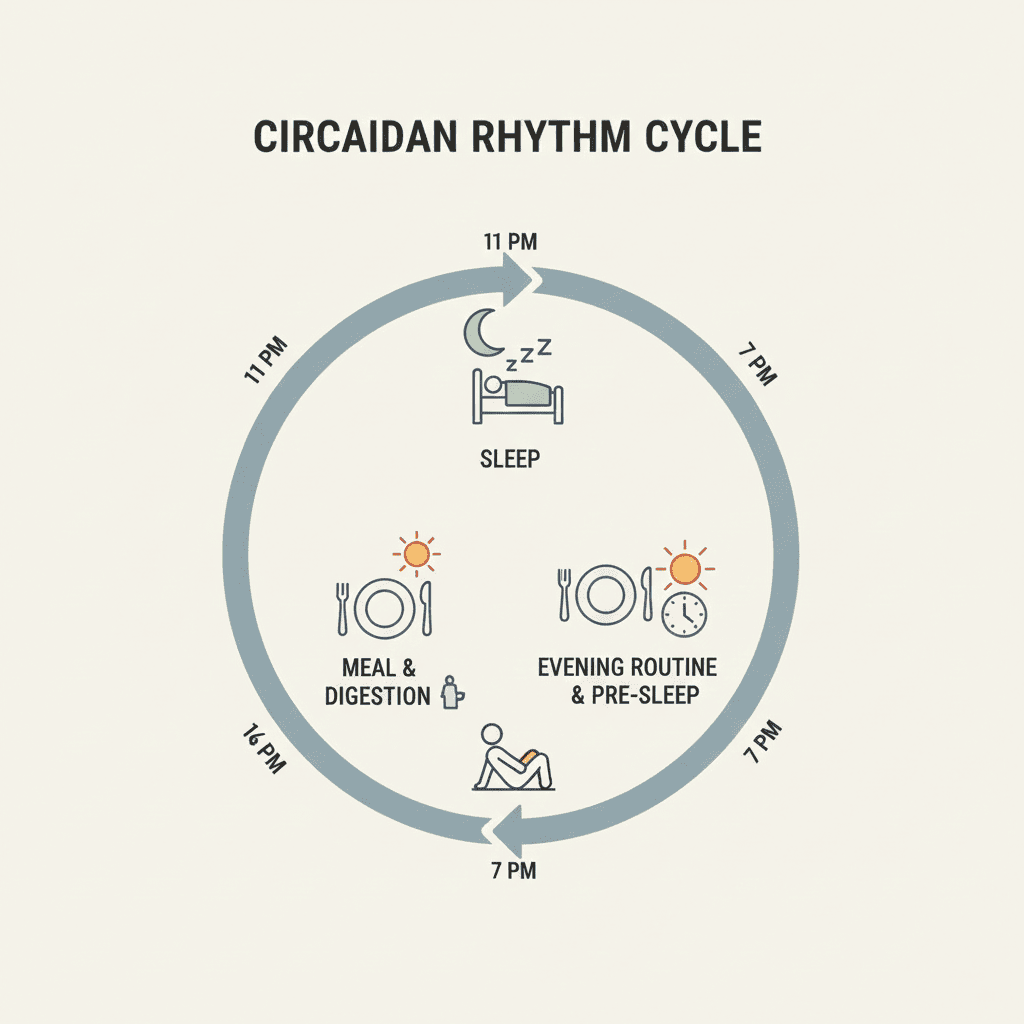
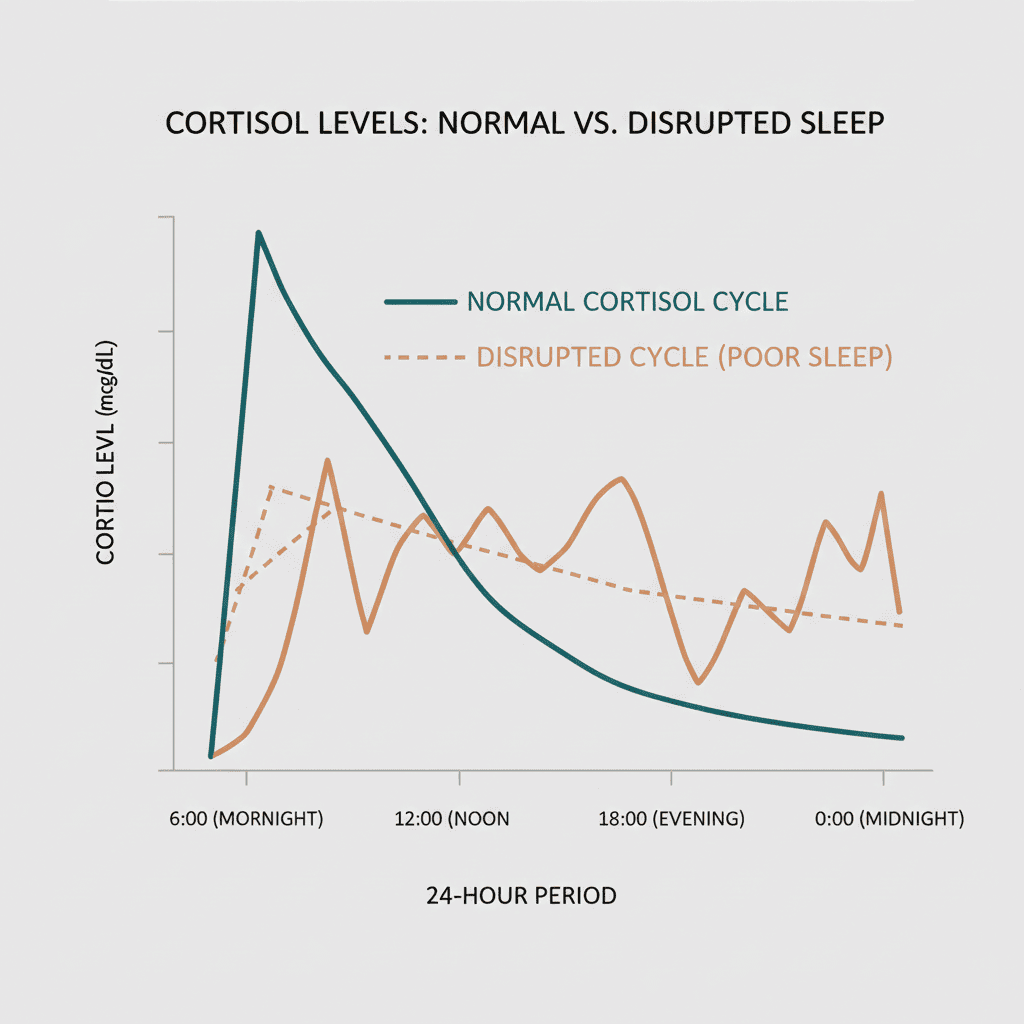
Good sleep is essential for regulating your cortisol levels and giving your gut time to reset. When you’re well-rested, your body’s stress response is less intense, making it easier to manage IBS symptoms.
If you’re traveling or have a long commute ahead of you, make sure to plan for recovery time. Aim to get at least 7–8 hours of sleep the night before and after a stressful event.
Avoid Stimulants
When you’re on the go, it’s easy to grab coffee or an energy drink. But caffeine and stimulants can worsen IBS symptoms, so it’s important to limit your intake, especially before or during high-stress events.
Step 5: Practice Self-Compassion and Flexibility
Lastly, one of the most important strategies is simply being kind to yourself. IBS is unpredictable – and stressful events are too. The combination can trigger flare-ups, and that’s okay. Acknowledge what you’re experiencing, and don’t add guilt or shame to the mix.
Give yourself the grace to:
- Rest if you need it.
- Adjust your plans if symptoms arise.
- Accept that your body is doing the best it can.
Final Thoughts: Stress Is Inevitable, But IBS Doesn’t Have to Be
Traveling, attending meetings, or enduring long commutes with IBS can feel overwhelming. But with planning, pacing, and practical strategies, you can manage your symptoms – and still show up for life.
Remember: you are not powerless. A little preparation goes a long way in giving you the confidence to handle high-stress events without letting IBS take over.
References & Further Reading