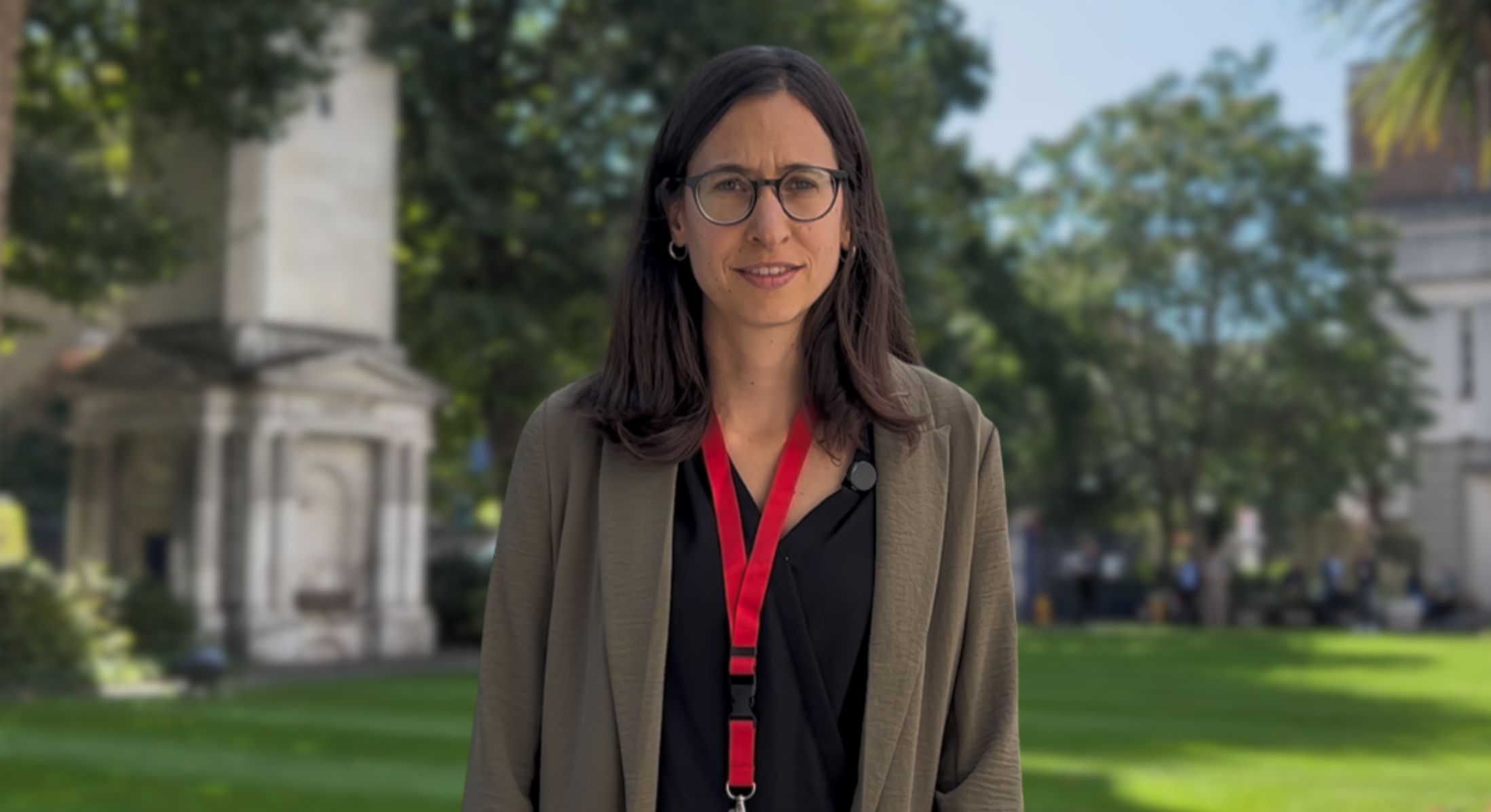
An insightful video interview featured by the Gut Microbiota for Health platform explores the fascinating processes involved in the formation, sharing, and transmission of the human microbiome across various stages of life. Researchers emphasize the critical importance of understanding these intricate microbial networks, which play a pivotal role in supporting individual health as well as broader environmental balance.
How does the microbiome within us originate, and what factors continuously influence its development over time?
Research conducted at the University Pompeu Fabra in Barcelona highlights how microbial communities are transmitted between individuals through close contact, family interactions, and shared environments. These microbial exchanges begin early in life and continue throughout adulthood, shaping both physical and mental health outcomes. Scientific investigations in this field focus on understanding how microbiome transmission influences immune function, metabolism, and overall well-being.
Current scientific evidence indicates that the microbiome begins developing at birth and continues to evolve in response to environmental exposures and social interactions. Researchers note that microbial exchange is an ongoing process that persists throughout the lifespan. These findings demonstrate the significant role that lifestyle, environment, and interpersonal contact play in shaping microbial diversity and long-term health.
This research also aligns with the One Health framework, which recognizes the interconnected relationship between human health, animal health, and the environment. Scientific observations suggest that microbes can be transferred not only between humans but also through interactions with animals and exposure to natural environments. Additionally, certain foods, particularly fermented foods, can introduce beneficial microbes that contribute to microbiome diversity.
Microbiome science continues to evolve, moving beyond simple associations toward identifying the mechanisms through which microbes influence health. Researchers emphasize the importance of large-scale studies and advanced analytical techniques to better understand these relationships and translate scientific discoveries into clinical applications.
Scientific findings show that during birth, infants acquire their initial microbiome primarily from maternal and environmental sources. This early colonization plays a critical role in immune system development and metabolic function. As individuals grow, ongoing exposure to family members, social contacts, and shared environments further shapes microbial diversity.
Throughout adulthood, microbial exchange continues through daily interactions, shared spaces, and environmental exposures. Studies suggest that these exchanges may influence various aspects of health, including immune regulation, metabolic processes, and neurological function.
Environmental factors such as urban versus rural living, exposure to nature, and interactions with animals have also been shown to influence microbiome composition. Household pets, for example, may contribute to microbial diversity, while dietary patterns, including the consumption of fermented foods like yogurt, kefir, and kimchi, can introduce beneficial microbes.
Advances in microbiome research are supporting the development of personalized health approaches, including microbiome-targeted therapies for conditions such as inflammatory bowel disease, metabolic disorders, and mental health conditions. Ongoing research utilizing metagenomics, large population studies, and machine learning is expected to further expand understanding of the microbiome’s role in human health.
These scientific developments position microbiome research as a key area of investigation in modern medicine, highlighting its importance in preventive health strategies and future therapeutic innovations.