Understanding Chronic Constipation and Its Global Impact
Chronic constipation is one of the most common disorders affecting the digestive system, impacting an estimated one in ten adults worldwide. This condition can significantly affect daily comfort, energy levels, and overall quality of life. In addition to personal discomfort, it also contributes to broader economic impacts due to reduced productivity and increased healthcare use.
Recent research suggests that gut transit time plays an important role in shaping the gut microbiome. When digestion slows, changes in microbial balance and activity may occur, which can influence digestive function over time. Traditionally, dietary advice for constipation has focused primarily on increasing fiber intake and maintaining adequate hydration. However, newer research highlights additional dietary and lifestyle strategies that may provide further support.
Foods That May Support Regular Bowel Movements
Emerging research highlights several foods that may help promote healthy digestion and improve bowel regularity. These foods appear to support gut function through a combination of fiber, natural compounds, and hydration effects.
- Kiwifruit: Studies suggest that consuming kiwifruit regularly may help increase stool frequency and improve overall digestive comfort. Kiwifruit contains both soluble and insoluble fiber, along with natural enzymes that support digestion.
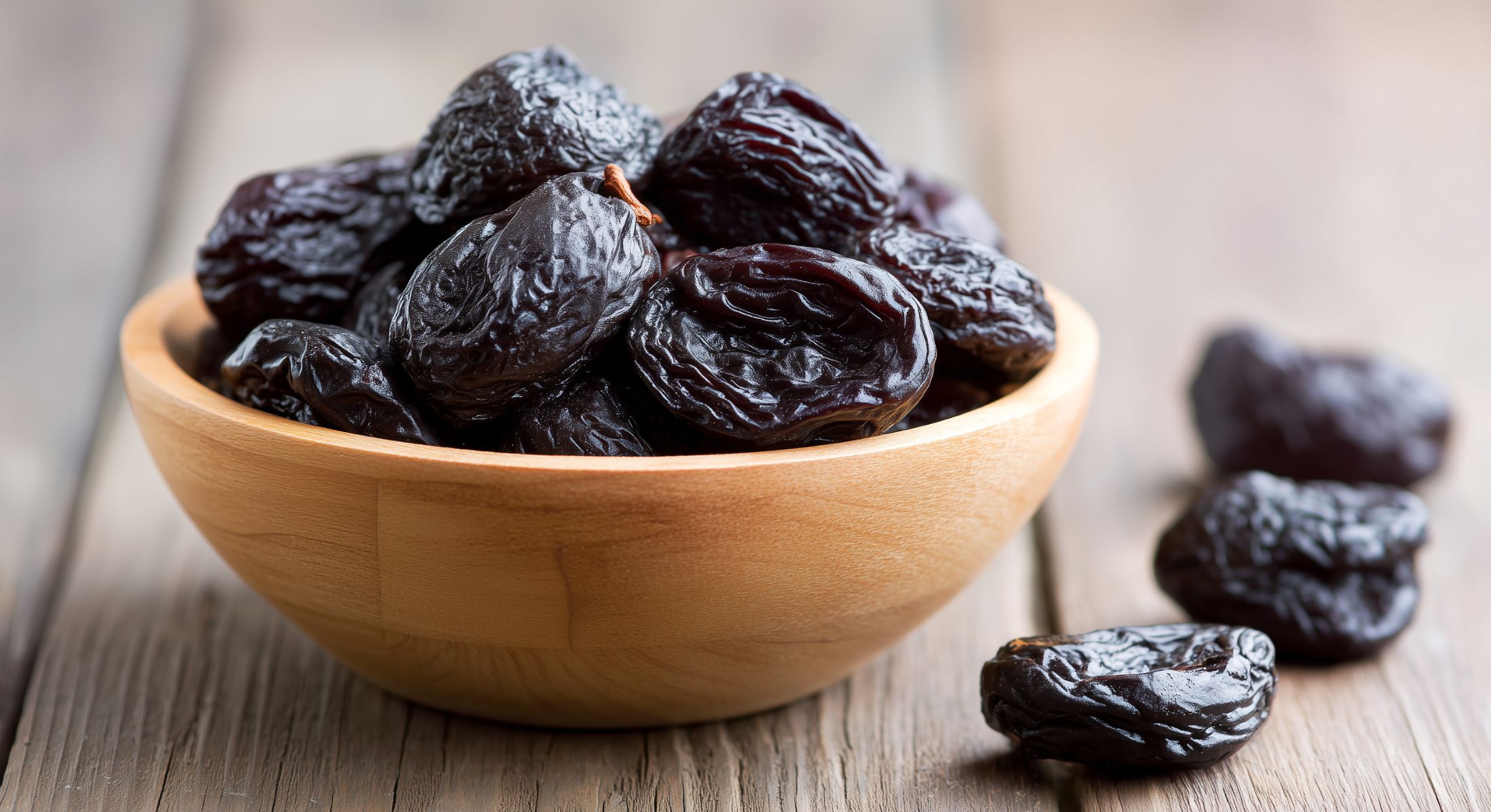
- Prunes: Prunes are well known for their natural laxative effect. Their fiber content and natural compounds may help increase stool bulk and support bowel movements.
- Whole grain rye products: Rye contains unique fiber compounds that may support gut transit time and improve digestive function in some individuals.
- Mineral-rich water: Some evidence suggests that mineral water containing magnesium and other minerals may support hydration and digestive motility.
These foods may work by increasing stool water content, supporting beneficial gut bacteria, and promoting healthy intestinal movement.
The Role of Fiber Supplements
Fiber supplements, particularly psyllium husk, are among the most commonly used and well-studied options for supporting digestive regularity. Psyllium works by absorbing water and forming a gel-like substance, which helps soften stool and promote easier passage.
When introduced gradually and combined with adequate hydration, psyllium may help improve stool consistency and reduce straining. Many individuals find it helpful as part of a broader digestive support routine.
Probiotics and Gut Microbiome Support
Certain probiotic strains may support digestive health by helping maintain a balanced gut microbiome. The gut microbiome plays an important role in regulating digestion, gut motility, and overall gastrointestinal comfort.
Research suggests that probiotics may help improve bowel regularity in some individuals. However, responses can vary depending on the specific strain, overall diet, and individual gut health.
Magnesium and Digestive Function
Magnesium plays a role in muscle function throughout the body, including the muscles of the digestive tract. Adequate magnesium intake may help support normal bowel movements and digestive comfort.
Magnesium can be obtained through foods such as leafy greens, nuts, seeds, and whole grains. Some individuals may also use magnesium supplements as part of their digestive support plan under appropriate guidance.
Understanding Current Limitations in Research
Although research into nutrition and digestive health continues to expand, individual responses to dietary interventions can vary. Factors such as baseline diet, lifestyle habits, hydration levels, physical activity, and microbiome composition all influence digestive outcomes.
While certain foods and supplements may support digestive health, no single solution works universally for everyone. A comprehensive approach that includes diet, hydration, physical activity, stress management, and sleep is often most effective.
Practical Strategies for Supporting Digestive Regularity
- Consume a variety of fiber-rich foods such as fruits, vegetables, whole grains, nuts, and seeds.
- Stay well hydrated throughout the day.
- Engage in regular physical activity, including walking or gentle exercise.
- Maintain consistent meal timing to support natural digestive rhythms.
- Support overall gut health through balanced nutrition and healthy lifestyle habits.
Key Takeaways
Chronic constipation is a common digestive concern that can significantly impact daily comfort and wellbeing. Research suggests that dietary strategies, including consuming fiber-rich foods such as kiwifruit and prunes, maintaining proper hydration, and supporting gut microbiome health, may help improve digestive regularity.
Rather than relying on a single intervention, combining nutrition, hydration, physical activity, and consistent daily habits provides the strongest foundation for long-term digestive health and comfort.